Measurement and testing
Published over 12 years ago. See the latest and most current information on Measurement and testing.
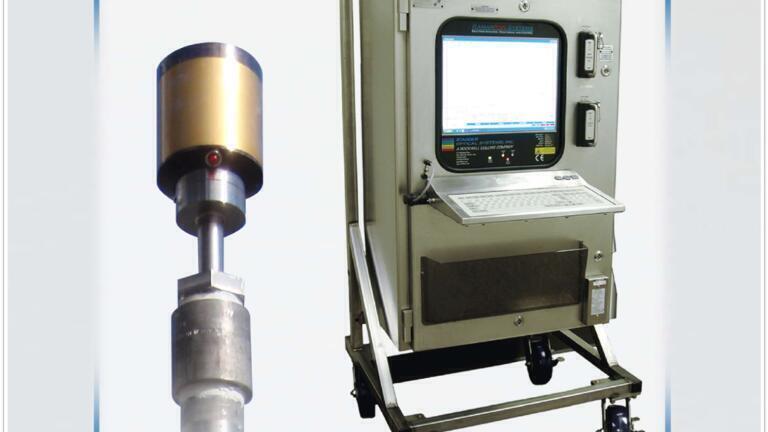
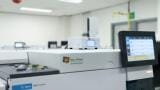
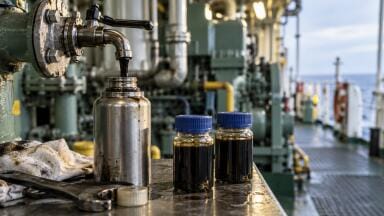
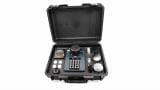
Measuring energy content is crucial for the equitable trade and inventory monitoring of LNG around the globe. Until now, the combination of a vaporiser and gas chromatograph (GC) was the only way that this was achieved, but its destructive sampling method and high-maintenance cost is less than desirable. The Raman Gas Analyser System (RGAS) from Scientific Instruments (USA) represents the future for determining the energy content of LNG directly, efficiently, and safely without the need for physical sampling. It is ideally suited for on-line monitoring of continuous processes and represents major advances in the quality of on-site composition analyses.
The highlights of the RGAS include:
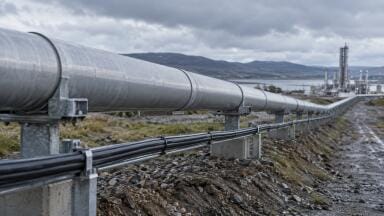
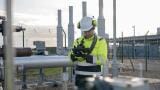
In Situ Technique: The RGAS is comprised of an optical probe inserted directly into a transfer pipe. Since it is a purely optical measurement, a vaporiser or liquid sampling method is not required.
Because the measurement occurs at the speed of light, the RGAS is not affected by changes in flow rate, pressure, or two-phase flow, unlike vaporiser/GC systems.
Fast Acquisition Speed: Update times of 12 seconds have been observed in optimised environments.
Unparalleled Accuracy: The standard deviation of LNG energy measurements by the RGAS is typically ±0.25 BTU.
Traceable Measurements: Every aspect of the RGAS is designed around traceability to national and international standards.
Safe and Efficient: On-line monitoring with no sampling, no vaporisation, and minimal maintenance requirements means reduced day-to-day operational costs and enhanced plant productivity.
PIN 27.5 Oct/Nov 26


 Product directory


.jpg)










.jpg)


.jpg)