Measurement and testing
Published over 8 years ago. See the latest and most current information on Measurement and testing.
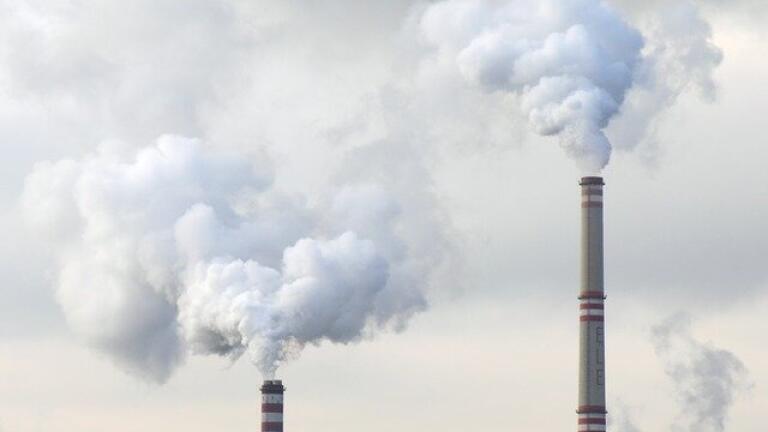
When it comes to climate change, the energy industry harbours a dirty reputation. Currently, experts estimate that the exploration, production, transportation and refining processes associated with fossil fuels like gasoline and diesel account for up to 40% of life-cycle greenhouse gas (GHG) emissions in the transport fuels industry.
While the figure is alarmingly high, a team of Stanford University researchers maintain that not all oil fields are created equal. Instead, a recent study found major differences in the carbon-intensity of oil fields across the globe. Also known as the “well-to-wheels” footprint, life-cycle greenhouse gas (GHG) emissions refer to the total carbon intensity (CI) impact of fossil fuels.
In 2015, a study of almost 9000 oilfields across 90 countries found that total greenhouse gas emissions equated to a huge 1.7 gigatons of carbon dioxide. Average fuel production emissions were estimated at 10.3 grams for every megajoule of crude, though countries with inefficient, carbon-intensive practices emitted almost twice this amount. The findings were published in the journal Science and suggest that with better management and strategic infrastructure investments, climate emissions from crude oil production could be significantly reduced.
While it's the most comprehensive study to date, lead author Mohammad Masnadi warns that the total CI footprint of crude oil production could be higher, as the analysis doesn't factor in emissions related to methane, one of the most destructive gases associated with global warming.
The study also confirms that light crude doesn't necessarily correlate with low carbon intensity. “Everybody talks about heavy crude oil, oil sands and unconventional resources,” explains Masnadi. Though according to the study, countries like Algeria, which produces some of the lightest crude in the world, sit high on the carbon intensity scale as oilfield operators burn huge amounts of gas. Canada was also flagged as a high emissions producer because of its heavy oil industry, which sees crude extracted from energy-intensive tar sands reserves. Canada also champions enhanced recovery techniques that call for steam and water, which push up the nation's CI footprint. In comparison, Saudi Arabia enjoys a low rating as it burns very little gas during the “well-to-wheels” process. It also extracts resources with low water content which means less energy is expended for treatment and separation.
For a closer look at how the energy industry is working towards reducing its environmental footprint don't miss 'A paradigm shift for shale: the environmental, financial, and litigative impetus for produced water recycling'
PIN 27.4 Aug/Sept 2026



 Product directory


.jpg)













.jpg)









.jpg)