Measurement and testing
Published over 11 years ago. See the latest and most current information on Measurement and testing.
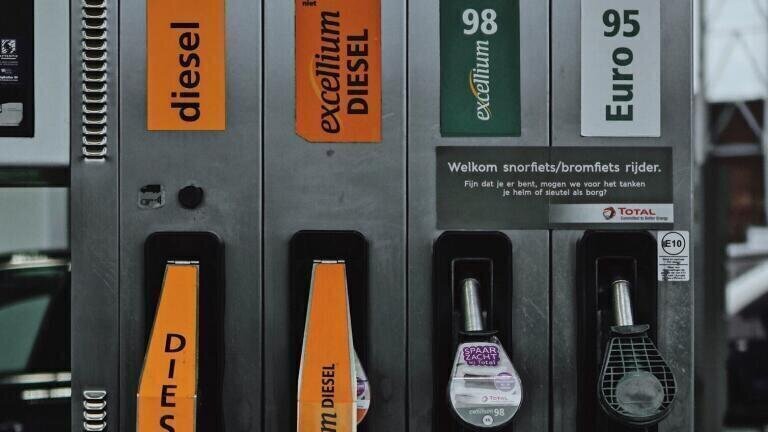
The cetane index is a figure which denotes the quality of a diesel fuel, based upon its density and volatility, and which is roughly approximate to its cetane number. It is loosely linked to the octane number of gasoline, since both give a measure of each substance’s efficacy and are inversely related. Feeds which give off high octane numbers generally give off low cetane index light cycle oils (LCOs), and improving the octane number of a substance will have a similarly beneficial effect on its cetane index, too.
However, the two measurements do differ in what it is they exactly correspond to. Whereas the octane number quantifies how long it takes before the gas can resist auto-ignition, the cetane index refers to how quickly it can become ignited inside a compression setting.
Therefore, a higher cetane index generally indicates that the fuel will combust more quickly in the engine. This doesn’t necessarily guarantee better efficiency, but it should indicate a quieter and more smoothly-running engine. It can also mean that there will be less harmful emissions from the exhaust pipe (thus helping the environment), and less wear and tear on the inner components of the car such as its battery, engine and other parts, due to an increased rate of the distribution of lubricants.
There are two principle ways in which cetane indexes can be improved. These are as follows:
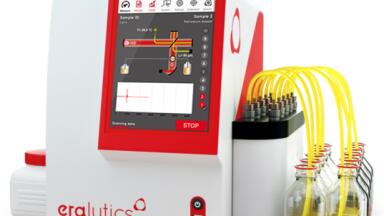
There are several ways of checking and improving upon the cetane index of fuels in order to attempt to raise the standard of their performance in an industrial and commercial setting. The article NextGen Derived Cetane Analysis Enables Refineries to Save on Maintenance Operations Costs talks about how improved efficacy of the fuels, due to a higher cetane index, can benefit companies in the long run. It also discusses the various methods of analysing the fuel’s performance in more detail, too.
PIN 27.4 Aug/Sept 2026


 Product directory


.jpg)












.jpg)







.jpg)