Measurement and testing
Published over 9 years ago. See the latest and most current information on Measurement and testing.
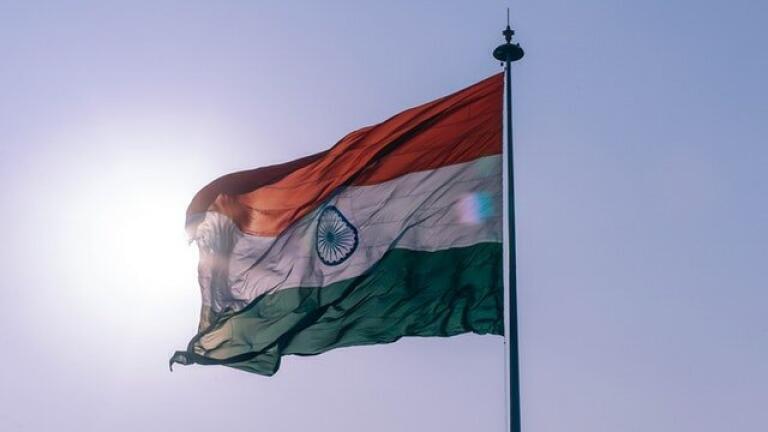
Shell is one of the world’s biggest oil companies. And India? It has the third highest oil consumption in the world after the US and China. Based on that alone, you would imagine the two have a pretty strong link. However, at present, Shell only owns a tiny proportion of India’s petrol pumps. That’s set to change in the near future though. Read on for the latest on Shell’s Indian venture.
To put Shell’s current Indian presence into context, they own just 85 pumps out of nearly 60,000. That’s just 0.14 percent of the national total. Over the next ten years, however, the oil giants are planning to scale that up to around 1,500, moving up significantly to a 2.5% share.
So, who owns the rest? Around 25,000 belong to state run Indian Oil, with other Indian public sector companies Essar and Reliance owning a further 3,500 and 1,400 respectively. It means Shell is the only major foreign firm involved in the market.
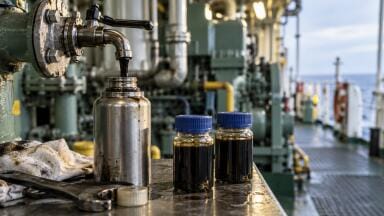
When asked about their plans, Shell identified some key areas of expansion in India. Retail is one of the two “consumer oriented” areas they are planning to work on, with lubricants also amongst their interests. The article ‘Testing the Lubricating Oil Viscosity for Utility Vehicle Engines’ looks at how innovation is allowing oil companies to improve the efficiency of their lubricants.
Then there is the renewables sector, in which Shell has expressed significant interest over the past few years. "We are also taking very big look at renewable energy in terms of winds, solar, bio fuels...We are taking a look at all these different areas," said Nitin Prasad, chairman of Shell India.
On top of that, Shell is even looking into gas marketing for the Eastern nation. “Gas being a very cleaner burning fuel, we are taking a look at how we can take gas into downstream market. How does gas begin to replace diesel gen sets in industrial sectors? How does LNG in transportation come into place? LNG in marine? So that's another area we are taking a look at," he said
This commitment to alternative fuels is no surprise from the oil giants. Shell recently announced – in conjunction with its expanding operations in Asia – that it wants low carbon fuels and electric charging to account for 20 percent of its fuel sales worldwide by 2025. “Shell will be part of leading the de-carbonising of the energy system. We have to accept that is the way the world is going,” said John Abbott, Shell’s head of refining, trading and marketing.
PIN 27.5 Oct/Nov 26



 Product directory


.jpg)












.jpg)







.jpg)