Measurement and testing
Published over 8 years ago. See the latest and most current information on Measurement and testing.
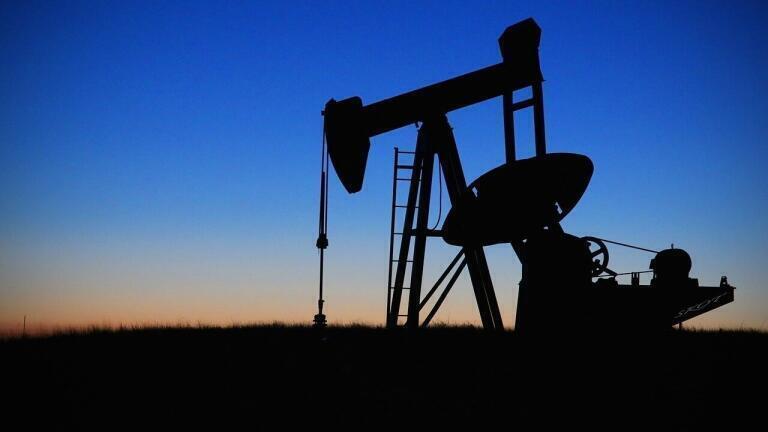
In many ways, Iraq has largely succeeded in establishing itself as an oil producing nation. Following decades of economic isolation, national oil production has spiked by more than 75% since 2013. Today, Iraqi producers are churning out almost 4.5 million barrels a day, and counting.
Conflict with both Isis and the Kurds hasn't seemed to hinder production, with the country managing to maintain security and exponentially increase exports. In fact, the outlook is so good that the country plans to boost output to more than 6 million barrels a day by 2022. As a fully participating member of OPEC Iraq has also been reaping the benefits of the global surge in oil prices.
However, some experts warn that behind the sunny façade is a blatant power grab that could undermine the country's progress. Earlier this year Baghdad passed a petroleum law that will reshape the existing, and largely positive, relationship between the government and the country's operating oil companies.
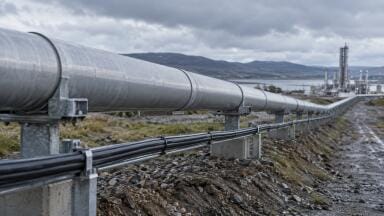
It supported the creation of the Iraq National Oil Company, a revived version of the former organisation that was acquired by the oil ministry in the 1980s. The single entity will have total control over all aspects of Iraq's oil and gas sector, including hydrocarbon revenues. It will own all upstream, midstream and downstream facilities, as well as pipeline and export infrastructure. Furthermore, the newly founded Iraq National Oil Company will determine what profits are passed on to the national treasury and will also be empowered with sole authority to sign contracts with international oil and gas companies and invest in strategic projects.
Experts have accused the new petroleum law of empowering the government with total control over the industry and its profits. In turn, they warm that the structure is dangerously susceptible to corruption. Already, Iraq is placed 169 out of 180 countries on the corruption index outlined by Transparency International. The partisan nature of the revamped Iraq National Oil Company could jeopardise progress and see the nation sink even further down the list.
Despite its parochial structure, Iraq's oil and gas industry will still be subject to the same strict health and safety laws as its fellow OPEC nations. Focusing on hydrocarbon extraction and treatment operations, 'Dry Colorimetry Detection for Arsine Quantitation in Gases' reviews the latest low cost analytical solution designed to meet the stringent rules introduced by the Occupational Safety and Health Administration.
PIN 27.5 Oct/Nov 26

 Product directory


.jpg)









.jpg)




.jpg)