Measurement and testing
Published over 9 years ago. See the latest and most current information on Measurement and testing.
With experts predicting that petrol prices will continue to rise in 2017, Brits can’t afford to waste a drop. As well as making the switch to fuel efficient vehicles, an offbeat new trend has emerged that can supposedly save motorists up to 40% on fuel.
The petrol hack is known as hypermiling, and has stirred up a whole lot of controversy. Fuelled by an online community, dedicated ‘hypermilers’ do everything they can to beat the ‘miles per gallon’ figures stated by car manufacturers, as well as the fuel economy ratings handed down by the Environmental Protection Agency.
While they claim that safety is front of mind, techniques like coasting, tailgating and ‘brake free’ driving have won them negative attention. One of the most popular hacks is drafting, which involves tailgating the car in front. Supposedly, this slashes fuel consumption by 40% as the leading vehicle pushes air out the way, which creates an airstream and saves energy. Of course, this isn’t the safest hack, as it cancels out safe stopping distance and reduces visibility.
Another hotly debated technique used by the hypermiling community is driving with the engine off. After speed has been built up, drivers simply switch off the engine and continue to cruise in neutral. Like drafting, it also has its risks. Drivers lose power steering, as well as the ability to accelerate away from danger.
Fortunately, not all hypermiling techniques are as controversial. In fact, the community does suggest a series of 100% safe and effective hacks that any driver can adopt.
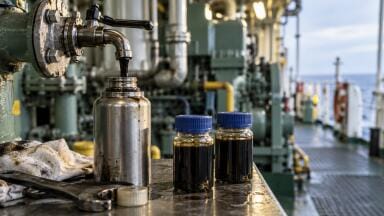
Motorists aren’t the only ones attempting to slash their fuel spends, with corporations also keen to maximise efficiency. Spotlighting the highly precise viscometers of the SVM™ series, ‘Testing the Lubricating Oil Viscosity for Utility Vehicle Engines’ highlights the benefits of using a single measuring cell to analyse multiple samples with different viscosities, at different temperatures.
PIN 27.5 Oct/Nov 26

 Product directory


.jpg)









.jpg)







.jpg)