Measurement and testing
Published over 7 years ago. See the latest and most current information on Measurement and testing.
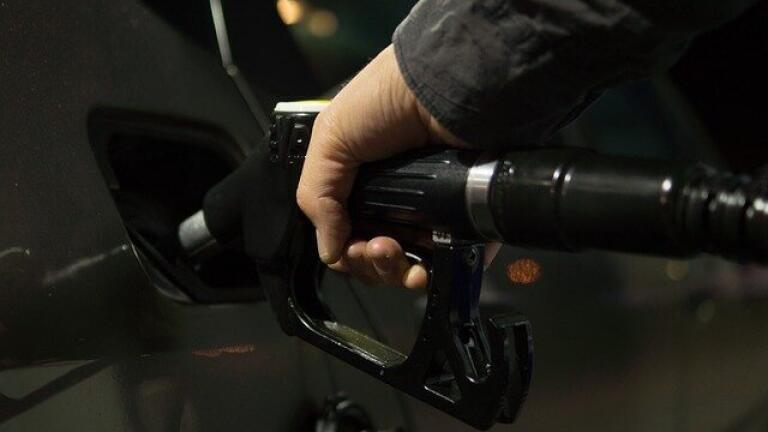
In a nationwide operation to crack down on illegal fuel, British police have seized more than 80,000 litres of illicit petrol in a series of raids. The cross-border operation was spearheaded by HM Revenue and Customs (HMRC) and targeted four petrol stations in Leeds, Motherwell, Cowdenbeath and Hillington. Two vehicles were also seized in the raids, with HMRC estimating the total loss of duty associated with the illegal fuel is around £56,000.
The raids come just months after HMRC officers targeted a suspected fuel laundering plant in Newry. The plant had the capacity to produce 10 million litres of fuel a year, which equates to around £6.5 million in revenue loss.
Joe Hendry, assistant director of HMRC's Fraud Investigation Service asserts that these sorts of practices are not only illegal but can also damage engines and leave both motorists and taxpayers out of pocket.
"Fuel laundering is unregulated and dangerous. Illicit fuel is sold at reduced prices and motorists may think they are getting a good deal because it is cheaper," he says. "I would caution them to think again as the true cost is far from a bargain."
Not only does fuel laundering result in serious loss of revenue for HMRC, but it also comes with environmental repercussions. A raid of an Essex fuel laundering plant resulted in the removal of four tonnes of toxic waste which were destined to be illegally dumped.
"The toxic waste from fuel laundering poses a real threat to the environment and costs thousands of pounds to dispose of safely," warns Brett Wilkinson, Assistant Director, Fraud Investigation Service, HMRC. "Taxpayers are not only missing out on the stolen tax, but we also have to fund the substantial clean up and disposal costs."
HMRC also warns that fuel laundering poses a serious risk to the public as the methods used are often dangerous and could result in explosions. Furthermore, it's common for fuel launders to abandon toxic waste in unmarked vessels, as well as transport illicit fuel in unspecialised vehicles that are not fit for the purpose.
"We believe criminals are now experimenting with processes that carry a risk of explosion as they seek to defeat fuel markers," says Steve Tracey, Assistant Director of Fraud Investigation Service at HMRC.
For a behind-the-scenes glimpse at the challenges associated with monitoring fuel quality and enforcing standards don't miss 'Fuelling Interest in How Octane Works.'
PIN 27.4 Aug/Sept 2026


 Product directory


.jpg)








.jpg)






.jpg)