Measurement and testing
Published over 10 years ago. See the latest and most current information on Measurement and testing.
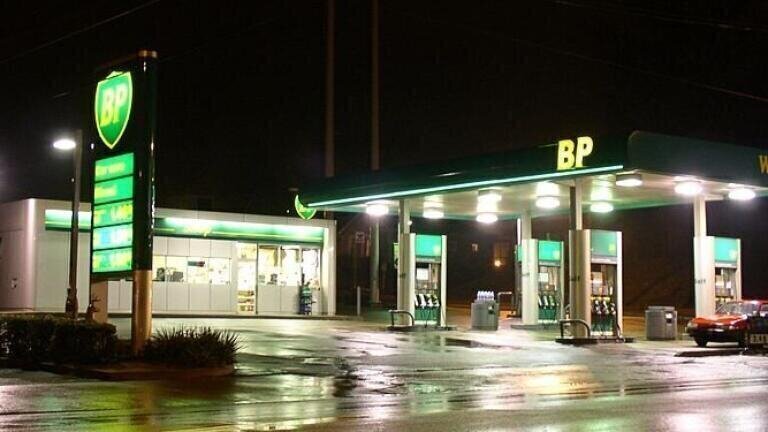
Oil giants BP (British Petroleum) have been granted a licence to set up petrol pumps across India. It’s big news for the British-based company, who will become the second largest foreign oil supplier for India. The decision was made by the Indian government, but why did they make it? Will it be beneficial for India – or was it just something they had to concede, with a growing demand for oil?
The fastest growing economy in the world, India has seen a vast growth in its middle class of late. This means more people earning higher wages and consequently more people driving cars. With 14% estimated growth in oil demand, India is now the third largest oil consumer in the world.
Their state run refineries, that currently produce over 90% of the country’s oil, simply cannot keep up with the growth, and so they’re turning to foreign providers. So far, the main foreign involvement comes from Dutch firm Shell, who own less than a hundred sites across India.
This growth is also part of the reason it is more appealing to BP. To encourage big companies to move to the country, India’s government have removed caps on the price of petrol and diesel over the past few years. Previously they were controlled by the state which meant it was less attractive for the big companies in terms of profit. But now, with the substantial growth in demand, they have almost been forced to change.
Permission has initially been granted for up to 3,500 stations across the country. If the move proves to be beneficial for both parties, however, BP could be granted a licence for further developments. One benefit for India is that BP’s involvement will allow them to continue to grow economically. Their current economic growth is thought to be around 8% a year so of course they want to do everything they can to sustain it.
A developing country relying on oil to fuel their growth is hardly promising for green energy. But does it need to be one or the other? ‘Can fossil fuels and green energy work hand-in-hand?’ features an interview with Professor Dr. Gioia Falcone, Head of the Oil and Gas Engineering Centre at Cranfield University. His developments in petroleum engineering could open up an interface that allows renewable energy to work alongside oil and gas.
Image Credit: Wikimedia Commons
PIN 27.5 Oct/Nov 26



 Product directory


.jpg)










.jpg)









.jpg)