
Measurement and testing
Published over 9 years ago. See the latest and most current information on Measurement and testing.
In the wake of the VW emissions scandal, the EU has threatened to crack down on car manufacturers when it comes to eco-friendly credentials. Consumers are unapologetically suspicious, which has forced manufacturers like Jaguar Land Rover (JLR) to get creative when it comes to winning back their trust.
In a bid to keep drivers in the light, the luxury auto brand has launched an educational scheme designed to counter the 'demonisation' of diesel movement that’s been gaining momentum. It will serve an important role in convincing buyers that its vehicles are safe, as well as reassuring off-road enthusiasts that diesel-powered vehicles can take on rough terrain.
The company made the announcement just days after the British government announced a “scrappage” incentive encouraging motorists to trade in old, highly polluting diesel cars, or retrofit them with emissions friendly systems. This could serve as a big blow for JLR, given that nine out of 10 of the 200,000 vehicles it sells in Britain are powered by diesel engines. In response to an influx of questions and concerns from potential buyers, UK managing director Jeremy Hicks made a tactical decision to educate the masses.
“We’ve had customers asking if diesel is banned or is going to be,” explains Hicks, adding that there’s a misconception the company is missing clean air targets, and that diesel vehicles are about to be hit with huge levies.
“People are confused, and intimidated,” he says. “We are explaining that diesel still produces less CO2 and depending on how you drive and where, you will have different needs.”
He then goes on to slam the media for creating a climate of fear, commenting “The problem is this is not a simple issue to discuss, it’s the media generating the concerns.”
So, what is the solution? While Hicks admits there is some merit to the government scrappage scheme, he maintains that “Improving air quality requires a balanced approach - vehicles are visible and therefore an easy target, but other sources of NOx from other sectors must be targeted also.''
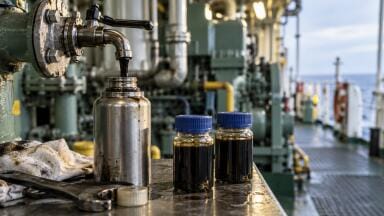
Understandably, utility vehicles and terrain tamers like Land Rovers must be able to perform. ‘Testing the Lubricating Oil Viscosity for Utility Vehicle Engines’ spotlights the importance of maintaining stable viscosity levels that are tough enough to form a protective film, but low enough not to cause excessive energy losses.
PIN 27.5 Oct/Nov 26



 Product directory


.jpg)












.jpg)









.jpg)