Measurement and testing
Published over 7 years ago. See the latest and most current information on Measurement and testing.
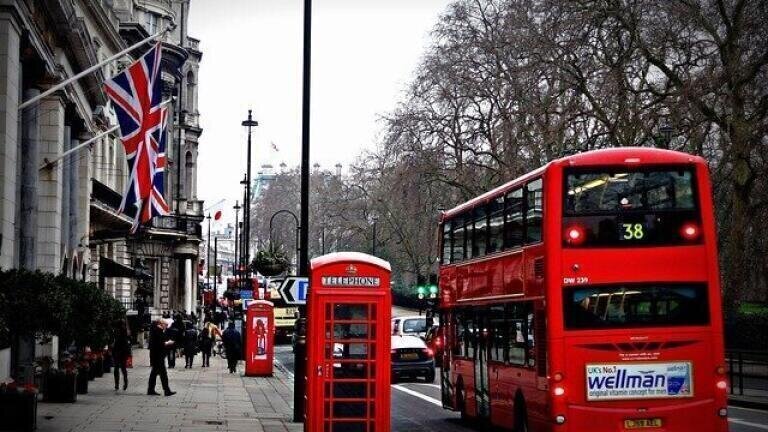
Following the introduction of schemes like the London Ultra Low Emission Zone (ULEZ), Transport for London (TfL) is ramping up its eco-friendly efforts and introducing hydrogen double decker buses to the capital. The new generation of public transport bus will be arriving on London streets next year, with TfL confirming it will start by introducing a fleet of 20 zero-emission vehicles. The buses will travel along three designated routes and will attempt to reduce air pollution in the capital, which is currently plagued with dangerously high levels of nitrogen dioxide.
The new fleet comes at a cost of £12 million, with £5 million funded by the EU. Mayor of London Sadiq Khan asserts that "we all have a role to play in cleaning up London's toxic air." TfL's Director of Bus Operations Claire Mann agrees, stressing that while London boasts one of the greenest bus fleets in Europe, the city still faces a public health emergency caused by air pollution.
Unlike most of London's iconic double decker buses, the new vehicles are powered by hydrogen and emit water as exhaust, as opposed to toxic fumes. Refuelling takes around five minutes and is required just once a day, which means they're much faster and more efficient than the low-emission battery-electric buses currently used by TfL. The hydrogen fleet can also store more energy which means they can be deployed on longer, more emissions-heavy routes. As a bonus, the buses feature USB points which will allow passengers to charge mobile phones and electronics on the go.
Following the deployment of the new eco-friendly buses, London will operate a zero-emission fleet of almost 200 vehicles. It's an exciting step forward for the fight against air pollution, with environmentalists praising Khan for his efforts to clean up the capital and help the city reach legal levels of nitrogen dioxide.
“We are investing a record £85m in cleaning up our bus fleet, and I am proud that London now has the largest zero-emission bus fleet in Europe,” says Khan.
It's not just public transport that's contributing to London's air pollution problem, with passenger vehicles also major culprits. For a closer look at how fuel regulations are being used to heighten efficiency and minimise emissions don't miss 'Fuelling Interest in How Octane Works', which features expert commentary from the Koehler Instrument Company.
PIN 27.4 Aug/Sept 2026


 Product directory


.jpg)










.jpg)






.jpg)