Measurement and testing
Published over 7 years ago. See the latest and most current information on Measurement and testing.
According to the latest findings from the 2017 World Energy Outlook, the market potential of adopting LNG as a marine fuel could climb to 26 million tons per annum by 2030. The report was commissioned by the International Energy Agency (IEA) and has been backed by organisations like DNV GL, which predicts that LNG could account for more than 30% of marine fuels by 2050.
The rising popularity of LNG has been largely fuelled by new IMO requirements stating that by 2020 marine bunkers can contain no more than 0.5% sulphur. This will have a major impact on most of the world's heavy-duty marine vessels and is forcing companies to consider alternatives like LNG.
While liquid natural gas isn't a "one size fits all" solution and won't necessarily address the need for zero-emission maritime fuel, it does offer an appealing bridging solution until the industry transitions to longer-term options such as hydrogen and ammonia.
Using LNG in a maritime context offers considerable environmental gains, including the potential to reduce sulphur and particle emissions to almost negligible levels, as well as cut nitrogen oxide emissions by up to 90%. Carbon dioxide emissions are also reduced by up to 25% which positions LNG as an attractive option for combating climate change in the maritime industry.
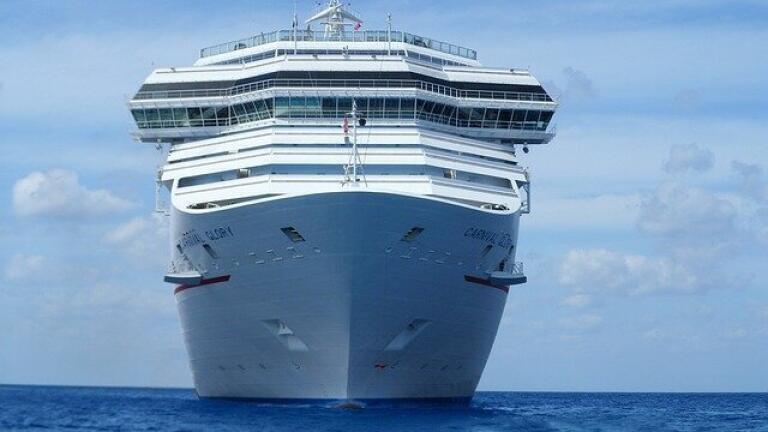
The cruise ship industry has been quick to embrace the new LNG movement, with roughly 25% of all new vessels constructed with LNG technology. Major shipping companies are also onboard, including global lines like UECC, Sovcomflot, Siem and RCCL. Forward Maritime Group is another company that's been quick to embrace LNG, recently placing an order for 20 gas-fuelled Kamsarmax bulk carriers.
LNG advocates hope that the rapid adoption of natural gas will spark the construction of LNG bunkering locations across the globe, as well as accelerate overall market penetration and make it easier for companies to make the switch.
Cruise lines and shipping companies aren't the only ones struggling to adopt more eco-friendly operations, with the shale industry also forced to up its environmental credentials. For a closer look at how the American energy landscape is working to improve environmental stewardship and sustainable practices in the Permian and Delaware Basins don't miss 'A paradigm shift for shale: the environmental, financial, and litigative impetus for produced water recycling.
PIN 27.4 Aug/Sept 2026



 Product directory


.jpg)













.jpg)









.jpg)