
Measurement and testing
Published over 5 years ago. See the latest and most current information on Measurement and testing.
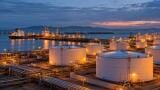
The coronavirus outbreak sent shockwaves through the oil and gas industry in 2020, triggering a slump in demand and a crash in prices. New figures released by energy giant Total reflect just how devastating COVID-19 was for the industry, with the company reporting full-year 2020 net profit of US$4.06 billion. While the figure exceeded predictions made by analysts, it marks a significant drop from the US$11.8 billion reported for the 2019 fiscal year.
Oil majors report huge losses
BP experienced a similar downward trend, with the British-based oil and gas major recently reporting its first full-year net loss in a decade. CEO Bernard Looney didn’t sugarcoat his words when describing 2020, labelling it the “toughest” 12 months of his career. Anglo-Dutch giant Royal Dutch Shell also reported a severe fall in full-year profits, while Exxon Mobil CEO Darren Woods said 2020 forced the company to navigate the “most challenging market conditions” in history.
While global production cuts and the mass rollout of COVID-19 vaccines around the world has helped rally oil prices over the past month, analysts and energy giants remain cautious. Most experts assert air travel will not recover to pre-pandemic levels until at least 2022, suggesting demand for aviation fuel will remain low for years to come.
Growing awareness surrounding climate change will also play a key role in keeping demand low. As countries around the world begin to adopt eco-friendly policies, cut carbon dioxide (CO2) emissions and encourage the uptake of electric vehicles, oil will start to lose its relevance. Some analysts assert oil demand has already ‘peaked’ and that the coronavirus pandemic coupled with the climate change movement will send consumption on a downward trajectory from now on.
While jet fuel does have an alarmingly high carbon footprint, producers are continually exploring new ways to reduce emissions and support “greener” air travel. Find out more about the latest advances in ‘Determining Water Separation Characteristics of Aviation Turbine Fuels’.
PIN 27.4 Aug/Sept 2026


 Product directory


.jpg)









.jpg)






.jpg)