Measurement and testing
Published over 9 years ago. See the latest and most current information on Measurement and testing.
Following the aftermath of Hurricane Harvey, the impact on the US oil industry has quickly made itself clear. The tropical storm ravaged a third of US oil refineries, with damage to energy infrastructure sending petrol prices soaring.
Weeks later and US Gulf Coast refineries are still struggling to import crude. So just how bad is the US fuel shortage?
While Harvey was a huge blow to the US economy, the International Energy Agency hasn’t declared a state of crisis. Made up of 29 member countries, the autonomous organisation approves releases of government-held fuel stocks in the event of major disruptions. While it is continuing to monitor the impact of Hurricane Harvey on US oil and gas markets, it maintains that the US is armed with enough petrol and diesel to ride out current supply issues.
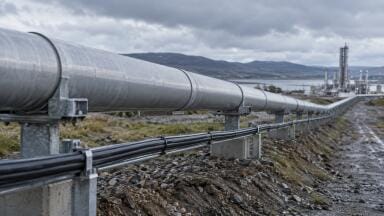
Of course, Stateside refiners may feel differently. The outlook for US petrol futures was particularly rattled when Colonial Pipeline announced that it was shutting down a key artery used to transport fuel from its Gulf coast refining hub to the Eastern states. The move could drastically restrict petrol and diesel flows across America, and potentially trigger a fuel shortage in some of the biggest cities in the US.
Saudi-owned Motiva refinery in Port Arthur is America’s largest facility, capable of producing 603,000 barrels a day of crude. Following the storm, it was forced to shut down operations in the face of flooding. While it’s since started to roar back to life it’s put a significant dent in the US fuel supply. Pipelines transporting crude from the Permian basin to refineries in Texas have also been shut down, which drastically slashed output from the USA’s largest shale field.
While the IEA was unwilling to act, Washington did step in. In response to the nationwide shortage the US Department of Energy authorised the release of 1 million barrels of crude oil from its Strategic Petroleum Reserve (SPR), which was sent to Phillips 66’s refinery in Lake Charles.
Though despite efforts to keep a price spike in check, US wholesale petrol quickly rose 13.5% to close at $2.14 a gallon. This represents a two year high, with prices up by more than a third from pre-Harvey levels.
As a result, motorists will inevitably face acute price increases at the pumps over the coming weeks. Oil trading expert David Leben warns that “a lot of fear is driving the trade right now” and notes that “it’s the biggest intraday move [in petrol] many people have seen in this market.”
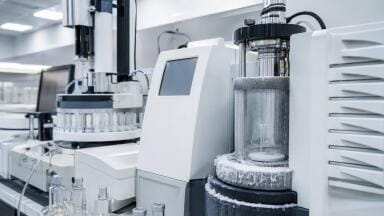
Following widespread damage to US infrastructure, efficiency is more important than ever. For a closer look at the latest single-column gas chromatography (GC) and vacuum ultraviolet (VUV) spectroscopy techniques being used to heighten efficiency, don’t miss ‘VUV PIONA+ Improves Accuracy of Hydrocarbon Reporting in Gasoline.’
PIN 27.5 Oct/Nov 26



 Product directory


.jpg)










.jpg)







.jpg)