Measurement and testing
Published over 9 years ago. See the latest and most current information on Measurement and testing.
Deepwater Horizon was the location of the largest oil spill to date. Beginning in April 2010, the accident resulted in nearly 5 million barrels of oil being released into the surrounding environment. It was reported as late as 2012 that the site was in fact still leaking. And even today, more than six year on, we’re finding new, devastating effects of the spill. But what impact – if any – has the spill had on the food chain?
With a huge clean-up effort involving skimmer ships and controlled burns, millions of gallons of oil were removed from the water as well as coastal areas. But, of course, not all the problems were avoided. The area of the spill is home to over eight thousand species. And after testing, it was found that the waters contained 40 times more oil-related carcinogens and chemicals than before.
Studies have shown that the toxins from the oil spill can – and have – caused heart problems in the animals who have had their habitat contaminated. But now, a new study has found that this oil has even made its way into other animals living on land.
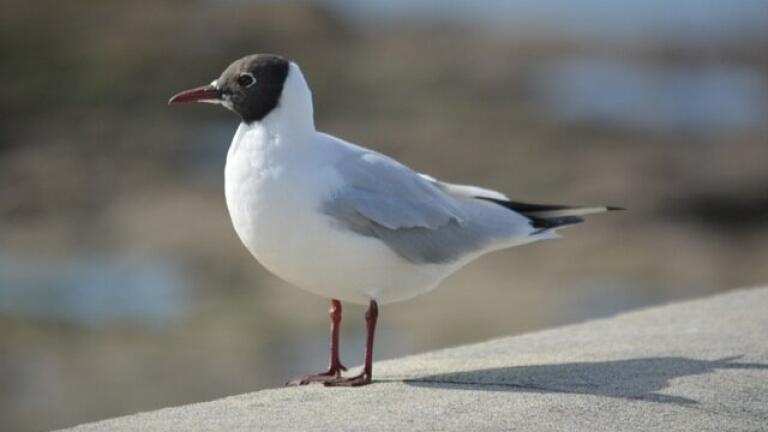
Researchers at the Louisiana State University tested sea sparrows in nearby areas to examine how they had been affected by the oil. They also compared this to birds of the same species habituated elsewhere. Examining the sparrows, the researchers found that they had traces of the oil biomarkers in both their feathers and their stomach content.
Because these birds don’t live directly in the water, the oil has taken longer to make its way into their systems. Organisms at the bottom of the food chain like plankton will have been contaminated by the oil quite soon. When they’re eating by fish, the fish can become contaminated – and when birds eat the fish the toxins are transferred again. The main problem with the sea sparrows being toxic is that even larger animals could subsequently take in the toxins after them.
One contaminant that’s become a big problem is mercury. Released by coal burning, cement production and industrial waste to name just a few, it’s a highly toxic element. Like with the oil spill toxins, mercury can enter the food chain on contact with surface water. ‘Unconsidered Mercury Emissions from the Oil and Gas Industry’ highlights the problems with mercury emissions and the ways it’s being allowed to happen.
PIN 27.5 Oct/Nov 26


 Product directory


.jpg)









.jpg)




.jpg)