Measurement and testing
Published over 5 years ago. See the latest and most current information on Measurement and testing.
From naturally occurring trace emissions to potentially fatal leaks, ammonia can be detected at a wide range of concentrations. Read on to find out more about some of the common places ammonia is found, ranging from agricultural farms to industrial manufacturing plants.
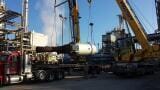
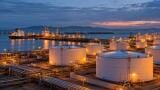
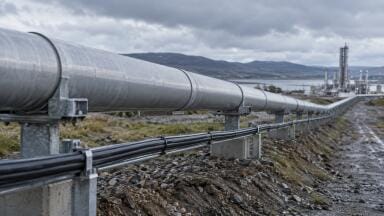
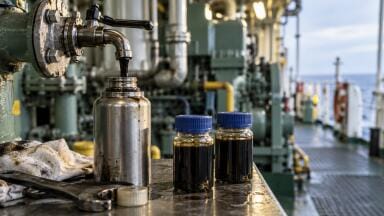
Fundamental to the oil and gas sector, ammonia is used to control pH levels and neutralise the acidic components released during the crude oil refining process. Ammonia is used to remove nitrous oxide, sulphur oxides and other exhaust gases from smokestacks. This boosts the efficiency of the electrostatic precipitators used to purify refinery exhaust and remove ash, soot and other contaminants from fumes before they’re released into the atmosphere. Treating acidic waste is another use for ammonia, with controlled combustion used to purify toxic emissions and convert them into eco-friendly nitrogen.
Ammonia is a naturally occurring by-product of animal waste, meaning livestock farms are a major source of NH3. Ammonia forms as biological and chemical changes breakdown proteins, urea and uric acid found in the nitrogen-rich manure. This can contribute to localised air pollution, as well as threaten biodiversity. In the Netherlands, the Ammonia and Livestock Farming Order was introduced to cut ammonia emissions through new regulations such as specialised feed and increased pasture time.
Ammonia is a highly effective refrigerant used to cool food storage warehouses and beverage manufacturing plants. The NH3 used for these types of applications is often called anhydrous ammonia, as it contains virtually no water.
As well as commercial refrigeration applications, ammonia is used to create artificial ice at indoor skating rinks. While highly effective, the use of ammonia at recreational facilities can be extremely dangerous. Gold-standard ammonia monitoring methods are crucial and help minimise the risk of incidents like the Fernie Memorial Arena ammonia leak, which resulted in three fatalities.
Ammonia isn’t just found in the Earth’s atmosphere, with gas giants like Saturn and Jupiter also harbouring large reservoirs of NH3. Ammonia is also fundamental to operations on NASA’s International Space Station, where the gas is circulated through a complex network of pumps, radiators and reservoirs. The refrigerant supports the life support systems used by astronauts, as well as cools high-tech spacecraft equipment.
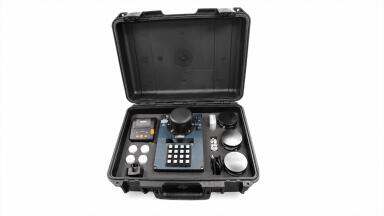
From monitoring air quality patterns to detecting dangerous leaks, ammonia monitoring methods help to protect humans, the environment and even astronauts in outer space. Commenting on behalf of CI Analytics, L. Lorena Torres and Babacar Diop spotlight the latest technologies being used to detect NH3 in ‘New perspectives in ammonia monitoring.’
PIN 27.4 Aug/Sept 2026



 Product directory


.jpg)







.jpg)