Lubricant analysis
Published over 8 years ago. See the latest and most current information on Lubricant analysis.
Lubrication is a vital component of machinery and, as with any component, early detection of wear is essential for timely replacement, avoiding unnecessary maintenance while reducing the risk of catastrophic breakdowns. Oil inevitably degrades with use and is exposed to various sources of contamination, both internal and external, which can lead to its degradation and reduced effectiveness in protecting machine components. Early identification of impending lubricant failure can prevent costly damage.
Infared (IR) analysis is a rapid, inexpensive test that can provide specific information about the chemical condition of the oil, also allowing inferences about the state of the machine component from which the sample was taken. IR measurements are sensitive to a number of additives, degradation products and potential contaminants which include:
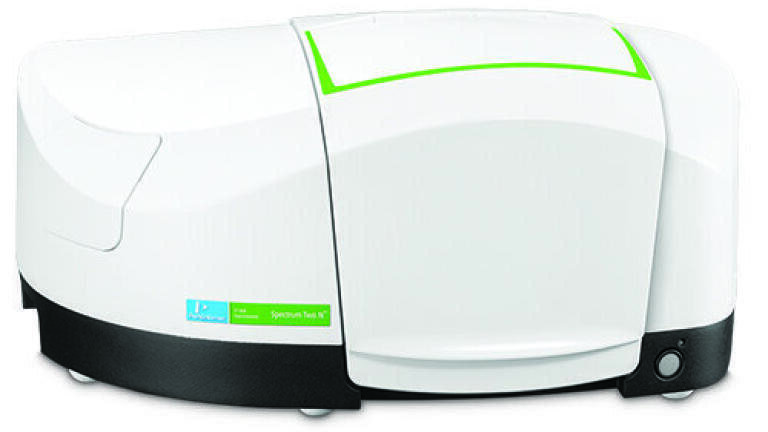
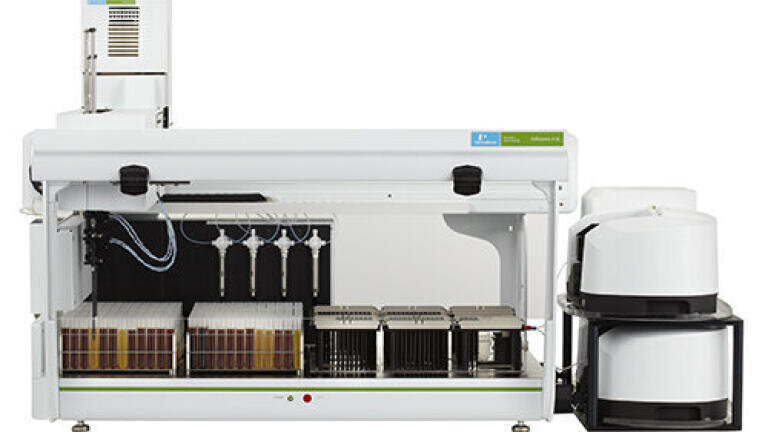
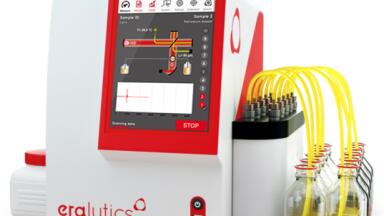
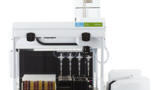
The Spectrum Two In-Service Lubricants FT-IR Analysis System from PerkinElmer provides the ruggedness and transportability needed for on-site measurements (Figure 1). For higher throughput and automated, unattended analysis, the PerkinElmer OilExpress family of instruments utilize high precision syringes and Spectrum Two FT-IR systems to process up to 100 samples per hour (example illustrated in Figure 2).
Trend data can be gathered by regular sampling to monitor engine performance and operating conditions. This allows the oil to be changed at optimal intervals, which has two major benefits. Costs are reduced by carrying out the oil change only when necessary and problems are identified early, which allows the appropriate preventative steps to be taken.
PIN 27.5 Oct/Nov 26


 Product directory


.jpg)









.jpg)