Fuel for thought
Published over 10 years ago. See the latest and most current information on Fuel for thought.
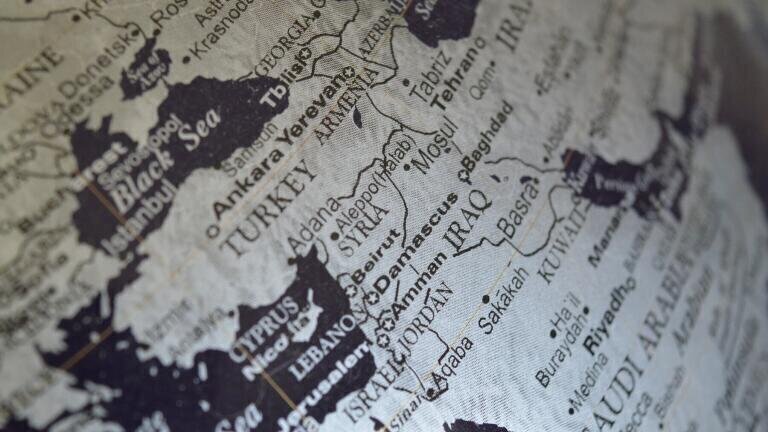
Despite the fact that 2015’s productivity saw Iraq emerge as the world’s fastest growing oil producer, a host of factors have left the nation in economic turmoil. To add to the blows, Oil Minister Abd al-Mahdi has just resigned from his post, leaving the commodities economy rudderless.
With the government infiltrated with corruption, a waging war against the Islamic State underway and enduring oil export conflict with the Iraqi Kurds, the country is alarmingly unstable. Analysts warn that the resignation of al-Mahdi will only heighten economic volatility, with duties now transferred to the minister’s deputy, Fayadh Nema.
So what triggered the resignation? The voluntary step-down was largely influenced by Moqtada al-Sadr, a powerful Shi’ite cleric. During heated demonstrations in Baghdad he and fellow protestors demanded Iraqi citizens receive a direct share in the nation’s oil revenues. Current Shi’ite prime minister Haider al-Abadi agreed, and is now vying for a reshuffled government fronted by technocrats without connections to corrupt political parties. As an active member of the authoritative Islamic Supreme Council of Iraq (ISCI) party, al-Mahdi wouldn’t have retained his ministerial position for long. Keen to avoid the cleanse, al-Mahdi willingly resigned, handing over power to his successor.
While some market experts affirm that the move is a positive step forward for ridding the government of influential elitists, others warn that it’s left the nation’s oil economy at a loose end. With no growth since March, outlook isn’t looking positive for Iraqi exports. And with talks of an output freeze set to dominate Doha’s upcoming OPEC and non-member meeting, the outcome could worsen.
As well as making waves within the Iraqi administration, the resignation has also sparked concern with investors. Some maintain that it destabilises international oil contracts, as well as disrupts exports from Iraq’s national oil company. Inversely, the disorder has opened up a host of new opportunities for shrewd energy investors, a market that a strong Iraqi oil industry tends to hinder.
Industry talks play an important role in shaping the future of the oil economy. While the upcoming Doha meeting will spotlight an output freeze, safety is often a hot topic. For more information on the latest codes of practice, ‘Regulations Governing the Use of Non-Certified Instruments within the Oil, Gas & Petrochemical Industries’ discusses guidelines relating to the use of non-certified hand-held instruments within explosive or potentially hazardous working environments.
PIN 27.4 Aug/Sept 2026



 Product directory


.jpg)