Fuel for thought
Published over 10 years ago. See the latest and most current information on Fuel for thought.
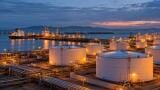
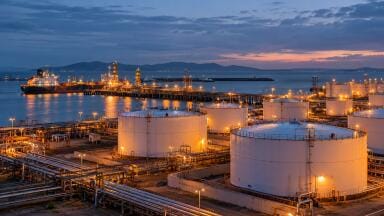
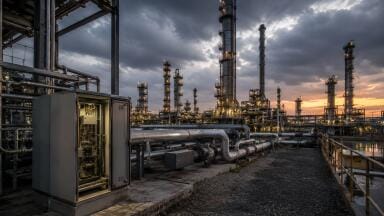
For the second time this year, production has come to a grinding halt at Chevron’s Gorgon liquefied natural gas operation. Located in Western Australia, Gorgon is the nation’s largest plant, with an estimated cost of $54 billion. But just weeks after successfully launching its first LNG cargo in March, the plant was forced to shut down after a propane refrigerant circuit malfunctioned. Fast-forward four months later, and a detected gas leak triggered a second evacuation.
A joint venture with ExxonMobil, Shell, Osaka Gas, Tokyo Gas and Chubu Electric Power, the plant boasts a total daily production capacity of 2.6 billion cubic feet of natural gas, and a huge 20,000 barrels of condensate. Chevron describes the project as an “important pillar of the Australian economy for decades to come,” with the power to unlock the energy needed to position Australia as a global leader in clean-burning fuel. But operations aren’t exactly running smoothly…
The two closures aren’t the first setbacks the plant has encountered, with Gorgon LNG project criticised for cost overruns, construction delays and labour issues. While the initial project was estimated at $37 billion, a two-year delay saw the total cap a huge $54 billion.
Despite shutting up shop for the second time in just five months, analysts maintain that in the long run, the effects will be minimal.
Matt Howell of global energy, metals and mining research and consultancy group Wood Mackenzie comments, “Another short delay is relatively inconsequential for a project that Wood Mackenzie estimates will generate cash flows of nearly $7 billion a year for the partners over many decades, but this latest event does introduce doubts about the facility’s reliability and ability to produce at capacity for that extended period.”
One thing is for certain. The shutdowns have put a serious dent in Chevron’s plans to reach full production within six to eight months of opening. Executive vice-president of technology and projects, Joseph Geagea publically confirmed that this was the goal, but in the wake of multiple shutdowns, a 12-month reassessment would be realistic.
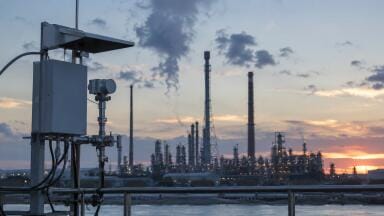
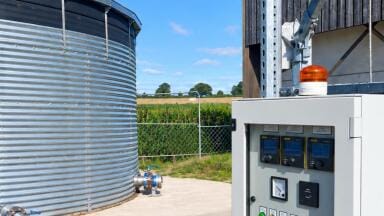
Gas leaks can cause major headaches for production facilities, as demonstrated in the first Gorgon shutdown. ‘FLIR GF320 Thermal Camera Offers Reliable Gas Leak Detection in Biogas Facilities’ spotlights affordable new technology such as the FLIR GF320 thermal imager, and its aptitude at honing in on hidden gas leaks, before they materialise as a problem.
PIN 27.4 Aug/Sept 2026



 Product directory


.jpg)