Sensor systems indicate that efforts to clog the leaking MC252 well in the Gulf of Mexico using heavy drilling mud have succeeded in stabilising the structure.
The well has been leaking oil since the failure of the BP-operated Deepwater Horizon rig, with ongoing efforts attempting to staunch the flow and prevent the leak from recurring.
On August 4th, BP reported
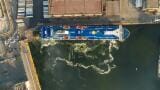
sensor systems indicated the well had stabilised after heavy drilling mud was pumped in from support vessels on the surface.
"The well is now being monitored, per the agreed procedure, to ensure it remains static," the
oil industry operator announced.
"Further pumping of mud may or may not be required depending on results observed during monitoring."
With the well seemingly stabilised, BP commenced the next stage of its efforts to seal the leak on August 5th.
This sees cement pumped into the well, part of the
oil industry operator's static kill procedure for the leak and a complementary process to, rather than a replacement of, the relief well being drilled in the area.



 Product directory


.jpg)












.jpg)