Flow level pressure
Published over 9 years ago. See the latest and most current information on Flow level pressure.
Despite its reputation as a wealthy nation, life in Saudi Arabia isn’t quite as luxe as it may seem. Following the oil price crash, the Arab sovereign state has warned residents that it’s approaching the end of its tax-free living spell.
Last month, the cabinet approved an IMF-backed value-added tax that will kick in across the Gulf. It’s part of a wider plan to cut budget deficit, and pull Saudi Arabia through the slump. For citizens, this means absorbing a 5% levy that will be applied to certain goods.
Until now, citizens of the energy-rich region have enjoyed tax free purchases, and heavily subsidised goods. However in 2014, the collapse of the crude market led to major cutbacks, which are now being passed down to consumers.
Despite the fact that Saudi Arabia is the biggest oil exporter on the planet and boasts the largest economy in the Arab region, it’s still been hit hard. Last year it endured a record US$97 billion budget deficit, which led it to halt major building and construction projects, cut cabinet minister salaries and slap a wage freeze on civil servant wages.
The next step is approving a unified agreement for value-added tax, which will be implemented throughout the six-member Gulf Cooperation Council (GCC). A royal decree has been already been prepared, with the fellow member states of Bahrain, Kuwait, Oman, Qatar and the UAE also set to introduce the tax. This isn’t the first new tax GCC countries have faced, with policy makers agreeing to introduce selective taxes on tobacco, and soft and energy drinks earlier this year.
The move comes in the wake of recommendations from the International Monetary Fund (IMF), which called on Gulf states to introduce revenue-raising measures. According to IMF experts, the 5% tax will help Saudi Arabia adjust to lower crude prices, and support regional growth.
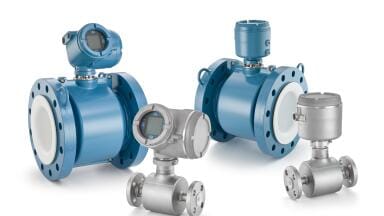
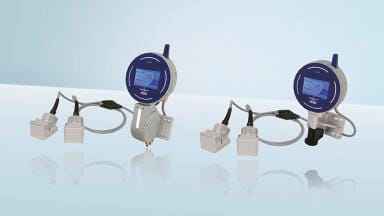
In the aftermath of the crude price crash, everyone is making adjustments. ‘The New Standard in Flow Measurement’ spotlights the latest clamp-on ultrasonic technology developed by industry leading manufacturer, FLEXIM. The non-invasive solution is designed to help producers precisely measure flow levels, without any operational interruption or risk of leakage.
PIN 27.5 Oct/Nov 26

 Product directory


.jpg)















.jpg)