Biodiesel
Published over 13 years ago. See the latest and most current information on Biodiesel.
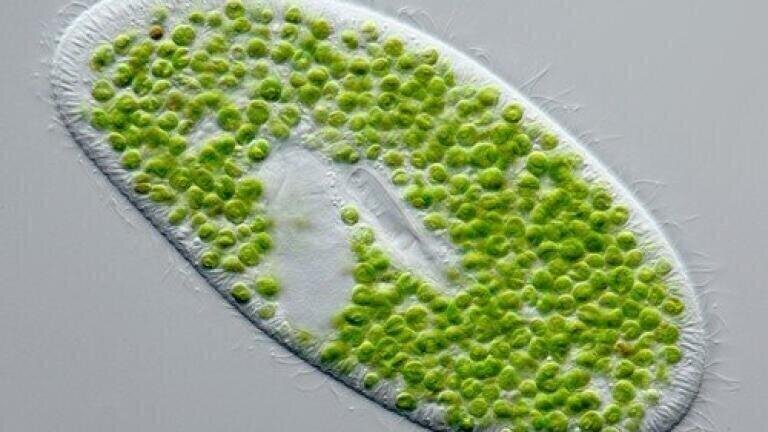
Microalgae could provide a cost-effective biodiesel solutions, scientists have said.
Spanish researchers analysed the potential of different microalgae for their biodiesel-producing potential.
The scientists compared the growth, biomass production and the amount of lipid per cell - which is key when it comes to harvesting the fuel.
The team was made up of researchers from the Institute of Environmental Science and Technology (ICTA), the Autonomous University of Barcelona (UAB) and the Institute of Marine Sciences of the Spanish National Research Council (ICM-CSIC).
Research results revealed that dinoflagellates (algae) could be utilised as raw material for garnering biodiesel easily and profitably, UAB reported.
To come to this conclusion they recreated the whole natural production process that happens with farmed products.
However, they did this without artificial light or controlled temperature under the same conditions as very low energy-cost farmed product and following seasonal changes.
After analysing the different costs for four years, the researchers concluded that "microalgae cultures are close to being able to produce biodiesel profitably even under uncontrolled environmental conditions.”
"By making simple adjustments to optimize the process, biodiesel derived from these marine microalgae cultures can be an alternative for energy supply in villages near the sea," Sergio Rossi, a researcher at ICTA University, explained.
It was noted that the energy generated by way of hydrocarbons extracted from marine organisms has a number of advantages.
For example, the algae yield the same as land plants such as maize, sugarcane and soybean. However, despite this, they take up between four per cent and seven per cent of the surface that these type of farmed products would occupy.
What’s more, they do not require freshwater for maintenance, with just seawater being enough. This means that they are potentially viable even in the desert, or in areas that are extremely dry.
It is also important to note that algae are not a food for humans, meaning that the problem of depriving people of foodstuffs can be avoided.
PIN 27.4 Aug/Sept 2026



 Product directory


.jpg)

















.jpg)