Analytical instrumentation
Published over 5 years ago. See the latest and most current information on Analytical instrumentation.
'Decarbonisation' refer to the process of reducing 'carbon intensity', lowering the amount of greenhouse gas emissions. For example, companies and governments are working on the use of hydrogen (H2) for energy, and carbon capture and reuse.
RIKEN KEIKI Co.,Ltd. is contributing indirectly to the realisation of a decarbonised society by enhancing the safety of those who undertake such efforts.
The use of hydrogen is increasing in order to achieve a decarbonisation.
However, due to it has combustibility, there is a risk of explosion if it leaks.
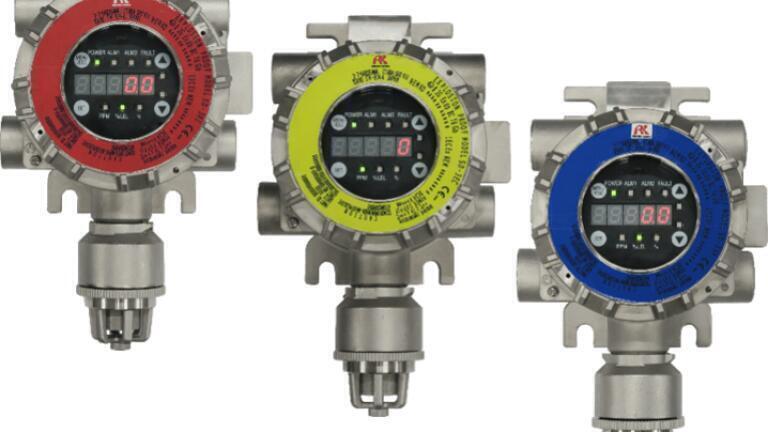
“SD-3” series integrates our next-generation, high-functional “F sensor” and it is going to keep safety from Hydrogen accident.
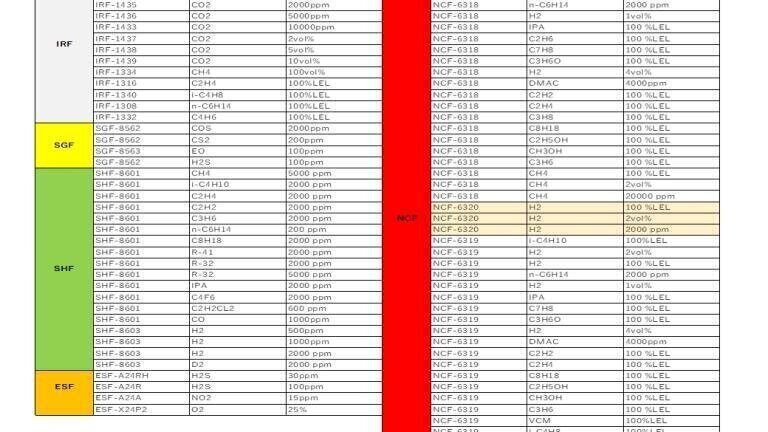
Sensor Model NCF-6320 is Hydrogen selective sensor.
High hydrogen selectivity is achieved by a special coating treatment of the precious metal surface inside the sensor. Even if there is 10000ppm Ethylene (C2H4) , the sensor reads 0 ppm for example.
Furthermore, it reduce the influence of alcohol interference results in a reaction. For example, it reads less than 20 ppm even if there is 1000 ppm IPA.
This sensor technology is made possible by the fact that RIKEN KEIKI is not only a gas detector manufacturer, but also a gas detection sensor manufacturer which is its core technology.
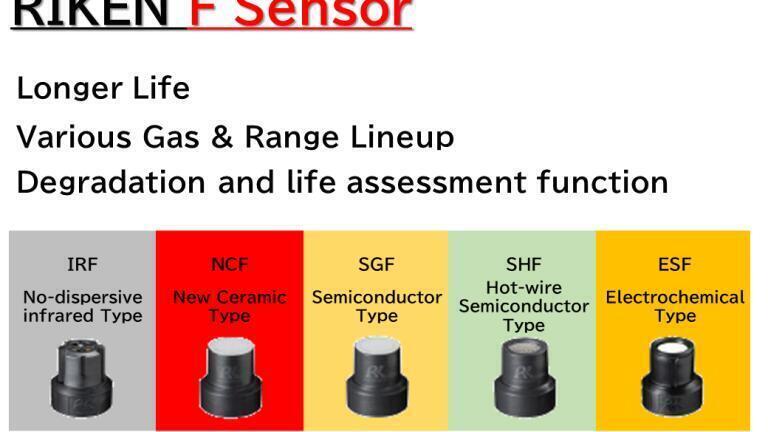
The operating temperature range of sensor is wider and its life is longer than that of previous sensors. In addition, “F sensor” has sensor degradation and life assessment function that can contribute more to safety. As described above, some sensors are selective to detect gases more accurately. We already have more than 80 types of F-sensors for SD-3 in our lineup, and we plan to add more.
We can recommend the most suitable detection principle according to the target gas, measurement concentration, and operating environment, so please consult us.
For more information, visit our new dedicated web-site.
PIN 27.4 Aug/Sept 2026

 Product directory


.jpg)









.jpg)

.jpg)

.jpg)