Analytical instrumentation
Published over 7 years ago. See the latest and most current information on Analytical instrumentation.
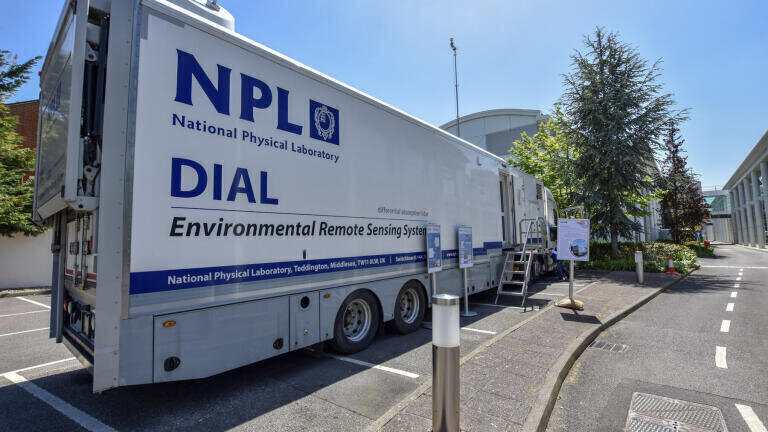
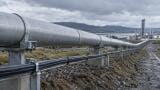
New EU regulations mandate that industrial emissions must be measured, reported and controlled. The National Physical Laboratory (NPL), the UK’s National Measurement Institute, offers refineries a complete solution for monitoring flaring and fugitive emissions. A holistic approach to tracking leaks from pipelines can help improve efficiency, reduce greenhouse gases, improve safety and even prevent explosions. The ultimate goal is to find leaks more efficiently so they can be fixed and the environmental cost minimised.
Methane emissions make up a significant percentage of the environmental pollution created by the oil and gas industry, and companies are now beginning to react. Shell, BP, Total and other companies have pledged to reduce fugitive emissions. Methane is a powerful greenhouse gas, trapping 84 times more heat than carbon dioxide during the first 20 years after it’s released. Quickly pinpointing leakage sources is also critical for safety reasons.
Pressure for action to prevent the worst effects of climate change is coming from government, which is trying to reduce greenhouse gas emissions from fossil fuels. At the international level, countries have committed to emissions reduction targets as part of the 2015 Paris Agreement, while cities and businesses have made their own commitments.
Refineries in Europe will have to implement the Best Available Techniques (BAT) Reference Document for the Refining of Mineral Oil and Gas, and the national regulators will be implementing the changes through the permits. NPL is leading the development of the European standards for monitoring fugitive and diffuse emissions of methane and other volatile organic compounds (VOCs). The standard covers the monitoring techniques recommended in the BREF, and the services we offer are compliant with that standard.
The Medium Combustion Plant Directive (MCPD) came into force at the end of 2018 and applies to generators and plants between 1 and 50 MW and is estimated that between 30,000 and 35,000 of these plants are currently operating in the UK. This new Directive will have wide impact, so it is vitally important that industry is fully aware of the requirements and how to implement them. NPL can provide testing and advice to support compliance.
The Industrial Methane Measurement Conference (IMMC) 2019 will give the opportunity to compare capabilities, discuss challenges and review emerging technologies for monitoring methane. PEFTEC 2019 is a focused conference and exhibition for professionals specialising in laboratory and process analysis within the petroleum, refining and environmental industries. Come and meet NPL experts at Stand 96.
For further information please click here.
PIN 27.4 Aug/Sept 2026


 Product directory


.jpg)









.jpg)


.jpg)