Analytical instrumentation
Published over 9 years ago. See the latest and most current information on Analytical instrumentation.
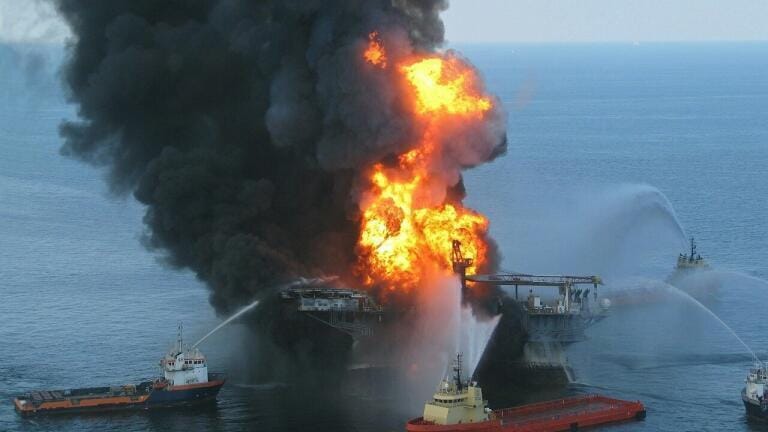
From polluting water sources to coating seabirds in an oily slick, crude spills wreak havoc on the natural environment. And it’s no secret that the clean-up process is enormous, and expensive. But who pays for it? While technically the company responsible should be forking out, the latest plans from the Australian treasury would see taxpayers pay for oil spill clean-ups under a new petroleum resource rent tax (PRRT).
Just days ago, the treasury confirmed that companies would be offered the option of claiming tax deductions for expenses racked up during oil spill clean-ups. It’s all thanks to the PRRT regime, which would essentially make oil spill clean-ups in the Great Australian Bight tax deductible. Benefits would be calculated using different “uplift rates” which would vary depending on whether spills were caused by exploration or production activity.
Unsurprisingly, the scheme has been slammed by Australian tax payers and environmentalists alike. Tax payers maintain that it’s not their responsibility to clean up after ‘dirty’ oil and gas companies, while environmentalists warn that the scheme could encourage negligence and irresponsibility.
When questioned by Greens senator Peter Whish-Wilson, treasury officials confirmed that clean-up costs for exploration oil spills would be eligible for tax deductions under the PRRT regime. They’d fall into the “exploration expenditure” category, and could be held over and “uplifted” at a 17.5% annual rate.
With Chevron on-track to drill four exploration wells in the area, spills in the Great Australian Bight are imminent. And if the PRRT scheme goes ahead, tax payers could be forced to subsidise clean-ups. Whish-Wilson was quick to label Australia’s fossil fuel subsidies as “obscene,” maintaining that “the rules are written so if a company created an oil spill with their exploration rig, they could make a profit from it.”
Tax Justice Network representative Jason Ward also labelled the scheme an “absolute scandal,” saying “First we learn that we are giving away our natural resources to the world’s largest oil companies for free and now we know they can get tax credits for oil spills. It is mind-boggling that this is actually how the PRRT works.”
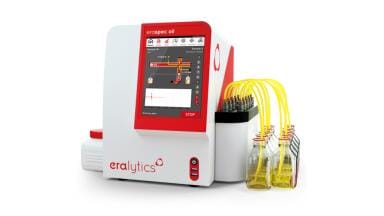
For a closer look at the intricacies of environmental safety within the oil and gas industry, ‘Ecological and economical measurement of oil-in-water without compromising accuracy’ offers expert commentary on the latest technology that combines all benefits of IR spectroscopy with cyclohexane, a safe, CFC-free solvent.
PIN 27.4 Aug/Sept 2026


 Product directory


.jpg)









.jpg)

.jpg)