Analytical instrumentation
Published over 6 years ago. See the latest and most current information on Analytical instrumentation.
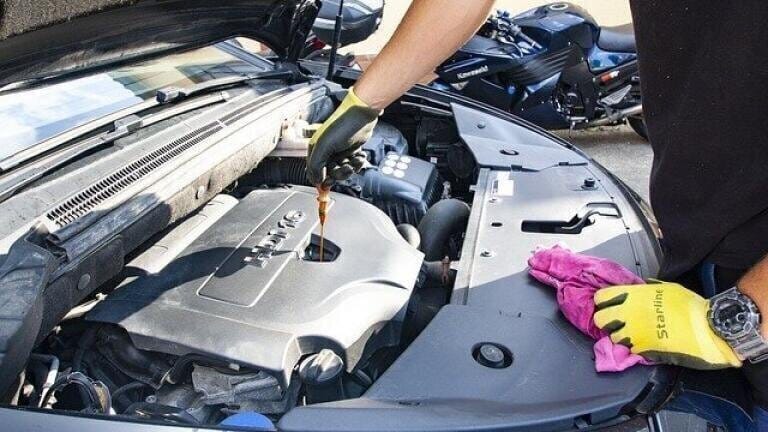
A recent poll conducted by machinerylubrication.com reveals the extent of glycol contamination in engine oils, with 62% of lubrication professionals saying the organic compound has damaged company equipment. As a common component of water-based antifreeze solutions, glycol can often leak into engine oil and significantly alter the properties of the lubricant, which plays a critical role in running the engine. Common causes of infiltration include cracked manifolds, warped piston heads or in severe cases, a hole or crack in the cylinder wall.
The addition of glycol can cause oil to thicken and as a result, interrupting its flow through the engine. The resulting thick gel that's formed by the addition of glycol is known as 'black mayonnaise' and can cause problems in parts of the engine that require a less viscous lubricant. In serious cases, viscous oil can cause total starvation to some components. As a result, machinerylubrication.com cites glycol contamination as the leading cause of overall poor lubrication in diesel engines.
Glycol can also increase the acidity of engine oil which can lead to corrosion, particularly in engines containing copper. Compromised performance of additives is another issue associated with glycol. After glycol contamination, oil continues to flow through the engine and pass through the sump, crankcase and other parts. As oil flows it can clog up filters, reduce flow and eventually, stop the filtration process altogether. This allows damaging particles to remain in the system and disrupt the lubricating film, which can lead to serious damage to engine components
Another issue associated with glycol is the formation of oil balls. While they're small and usually measure around five to 40 microns in size, they are extremely abrasive and can trigger surface erosion in areas like the cylinder walls and narrow passageways.
The good news is, glycol leaks can be prevented by periodic checks of fluid levels. If antifreeze, coolant or other glycol-containing fluids are prematurely running dry, finding and fixing any leaks should be a top priority.
For a closer look at the challenges faced by in-service lubricant testing laboratories, and how an innovative oil analysis methodology is helping to increase profitability and customer satisfaction, don't miss 'Drive Profitability with Novel Methodology for the Determination of Total Organochlorinated Components in Used Engine Oils' which features commentary from Gas Chromatography and Mass Spectrometry expert, Leeman Bennington.
PIN 27.4 Aug/Sept 2026


 Product directory


.jpg)









.jpg)
.jpg)