Analytical instrumentation
Published over 7 years ago. See the latest and most current information on Analytical instrumentation.
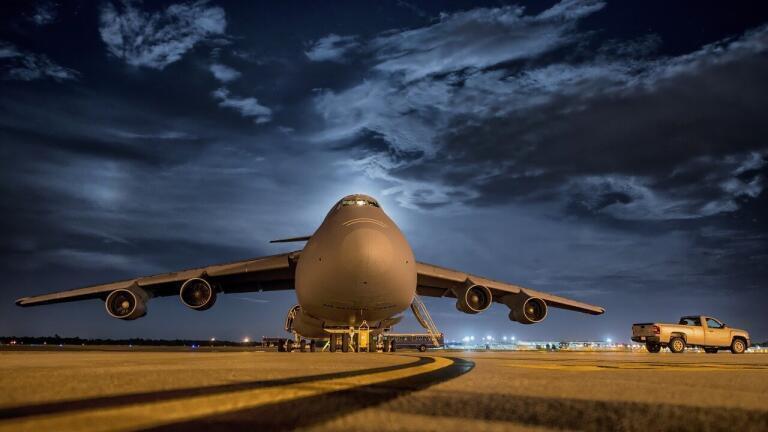
Following the registration of an official petition by the European Commission, jet fuel could soon be stripped of its tax-free status and subject to the same levies placed on petrol and diesel. The Taxing KerosenEU petition was lodged by the European Citizens’ Initiative, a scheme that empowers everyday people with the voice to shape the continent by appealing to the European Commission to pass legislative proposals.
Initiatives are presented to the Commission for deliberation when they have garnered 1 million signatures, a figure that the Taxing KerosenEU petition could easily surpass given its environmental and economic significance.
"The organisers of this European Citizens' Initiative call on the Commission 'to propose to Member States the introduction of a tax on aviation fuel (kerosene)' claiming that 'the aviation sector enjoys tax advantages despite being one of the fastest growing sources of greenhouse gas emissions," reads a press release issued by the European Commission.
Currently, international agreements make airlines exempt from paying kerosene taxes, with airline tickets also exempt from VAT. The European Citizens' Initiative hopes the petition will force a revision of the Energy Taxation Directive and see jet fuel subject to the same taxes paid by everyday motorists.
It's not the first time the EU has called for taxation on the aviation industry, with Belgium and the Netherlands both pushing for levies earlier in the year. Experts predict the most likely option for passing jet fuel taxes is the formation of bilateral pacts between EU member states. That said, the Commission is currently pushing for changes to the management of environmental taxes which could make it easier to pass legislations that aren't backed by unanimous support.
"Under the EU Treaties, the European Commission can take legal action aimed at harmonisation of turnover taxes, excise duties and other forms of indirect taxation. The Commission therefore considers the initiative legally admissible and decided to register it. The registration of this initiative will take place on 10 May 2019, starting a one-year process of collection of signatures of support by its organisers," reads the press release.
Taxes aren't the only issue faced by the aviation industry, with sulfur concentration levels also strictly regulated. For a closer look at how airlines are monitoring content and keeping levels below 10 ppm, don't miss 'ASTM D7220: Accurate and Precise Analysis of Ultra-Low Sulfur (ULS) in Automotive, Heating, and Jet Fuels'
PIN 27.4 Aug/Sept 2026


 Product directory


.jpg)






.jpg)

.jpg)