Air monitoring
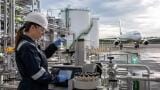
Air pollution resulting from industrial processes remains one of the most complex and urgent environmental challenges worldwide. Although energy efficiency and controls have improved over recent decades, regulatory and social pressures demand a qualitative leap in emission monitoring and management. The key to progress lies in implementing continuous, real-time monitoring systems based on state-of-the-art technologies capable of providing accurate, reliable, and traceable data that support both regulatory compliance and the protection of public health and ecosystems. Leading companies such as Kunak are at the forefront of this field with comprehensive technological solutions that are transforming industrial emissions control.
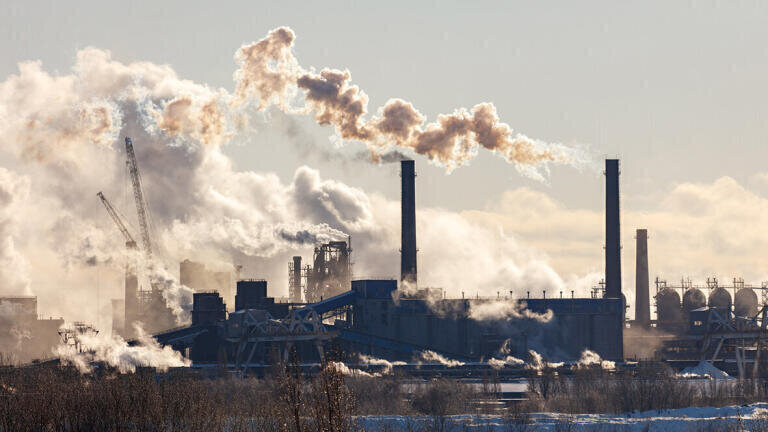
Industrial emissions encompass a wide range of pollutants—gases, particles, and chemical compounds—that not only affect air quality but also negatively impact soil and water health. Their cumulative effects include soil degradation, water pollution, biodiversity loss, and profound alterations to both local and
global ecosystems.
The main emitted pollutants include methane (CH₄), carbon dioxide (CO₂), nitrogen oxides (NOₓ), particulate matter (PM), and volatile organic compounds (VOCs). These contaminants are common by-products of energy generation, manufacturing, transport, and chemical processing. Due to their high reactivity and persistence, they significantly contribute to climate change, acid rain, and photochemical smog formation.
The impact on human health is equally critical. Numerous scientific studies correlate prolonged exposure to industrial emissions with increased rates of respiratory diseases, cardiovascular conditions, and certain types of cancer, marking these emissions as a significant public health risk.
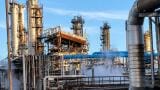
The energy sector, primarily fossil fuel combustion in boilers, furnaces, and power plants, accounts for high emissions of CO₂, NOₓ, SO₂, and suspended particulate matter. Chemical and manufacturing industries additionally release ammonia, nitrous oxide, methane, and heavy metals, some of which possess a high global warming potential. Fluorinated gases, used in industrial refrigeration and electronics, also represent a significant climatic risk.
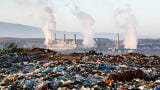
Industrial waste management, including methane emissions from landfills and the burning of hazardous materials, adds another important pollution source. Mining activities emit gases and particles affecting both air and soil quality.
Regulations focus particularly on greenhouse gases such as CO₂ and CH₄, powerful drivers of global warming. Controlling nitrogen oxides, responsible for smog and acid rain, is also a priority. Other key pollutants include hydrogen sulphide, known for its toxicity and distinctive odour, and VOCs, precursors to tropospheric ozone.
Here, advanced technological solutions play a crucial role.
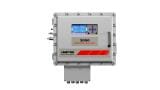
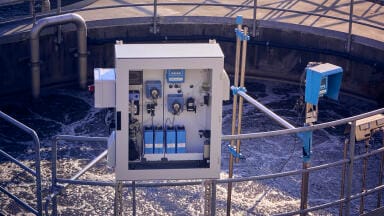
Kunak has developed environmental monitoring systems combining high-precision sensors with near-reference traceable calibration and a cloud platform capable of integrating real-time data, generating automatic alerts, and providing detailed
historical analyses.
This multi-point approach, strategically deployed in industrial zones, provides an accurate, real-time view of emission dynamics, facilitating early detection of leaks, fugitive emissions, and unexpected variations.
Effective emission control does not end with measurement. Incorporating accurate and reliable data into environmental management systems, combined with predictive models and mitigation plans, represents the future of sustainable industry.
Hybrid systems that combine reference stations with strategically distributed smart sensor networks offer a cost-effective solution to maximise coverage and data quality, enabling compliance with increasingly strict regulations and corporate sustainability commitments.
Industrial emissions directly impact the quality of life of neighbouring communities. Advanced technology—such as that offered by Kunak—not only helps monitor these pollutants but also provides transparency and trust through accessible reports for communities and regulators, strengthening the public image and reputation of the industry.
Managing industrial emissions is a multidimensional challenge requiring technological innovation, scientific rigour, and social commitment. The shift towards integrated, continuous, and precise monitoring systems marks a turning point in the industry’s capacity to reduce environmental impact and protect human health.
Reducing industrial emissions is no longer merely a regulatory obligation but a strategic opportunity for companies committed to sustainability, efficiency, and operational excellence.
PIN 27.2 Apr/May 2026


 Product directory