Measurement and testing
Published over 8 years ago. See the latest and most current information on Measurement and testing.
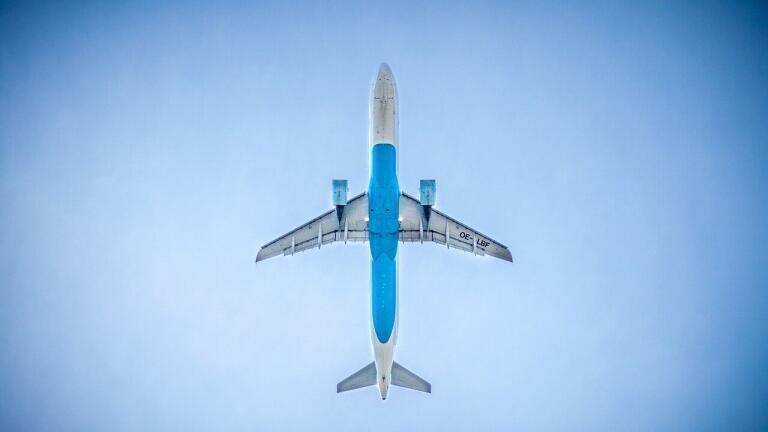
Think your car guzzles gas? Spare a thought for carriers like British Airways, who face fuel costs of over $15,000 per hour for an airborne Boeing 747-400. Rising oil prices are forcing airlines across the globe to tighten their belts, with many carriers locking in fuel hedges, raising fares and lowering capacity.
Over the past few months oil prices have climbed to highs not seen since 2014, with Brent crude currently trading at around $76 a barrel. This represents an increase of almost 50% from the same time last year. The price spike has vastly outrun ticket prices, which means carriers are facing major gaps in their profit margins.
The latest data from the International Air Transport Association (IATA) reflects the trend, with experts forecasting that combined profits will be 12% lower than initial figures released in December. In response, industry executives have been forced to act.
“At this point with rising fuel, you control costs, raise prices and you may have some fall off in demand and reduce capacity,” comments Air New Zealand chief executive Christopher Luxon. “I think we are seeing pricing move up internationally and certainly yields come up as well,” he added.
While some airlines are currently protected by previous hedge pricing, CEOs are realistic about passing costs onto passengers when contracts expire.
“Whilst most of us have hedging in place, that hedging eventually runs out or gets replaced by new positions you have got, and it is a question then of what do you do?” admits Virgin Australia Holdings Ltd CEO John Borghetti. “If you look at history, typically some of that cost has to be passed on at some point because you just simply can’t absorb it.”
The IATA agrees, predicting that passenger yields will increase by 3.2 percent in 2018.
Other airlines are focussing on renewing their fleets and decommissioning fuel guzzling aircraft. The result will be an influx of newer, more efficient models like the A320neo and 737 MAX narrow-bodies, as well as wide-bodies like the A350, A330neo and 787.
“It will be a bittersweet moment when those aircraft will go but it also helps us manage the increase in fuel prices,” says Qantas CEO Alan Joyce of the line's Boeing 747 planes. “The 787s are going to give us a big benefit this year on our international operation.”
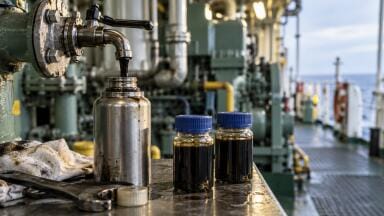
Want to know more about the specifics of powering a jumbo jet? Offering expert insight from PAC-Phase, 'Is Measuring Jet Fuel Viscosity More Accurate Than Freezing Point?' introduces technologies like the world-renowned JFTOT.
PIN 27.4 Aug/Sept 2026



 Product directory


.jpg)











.jpg)








.jpg)