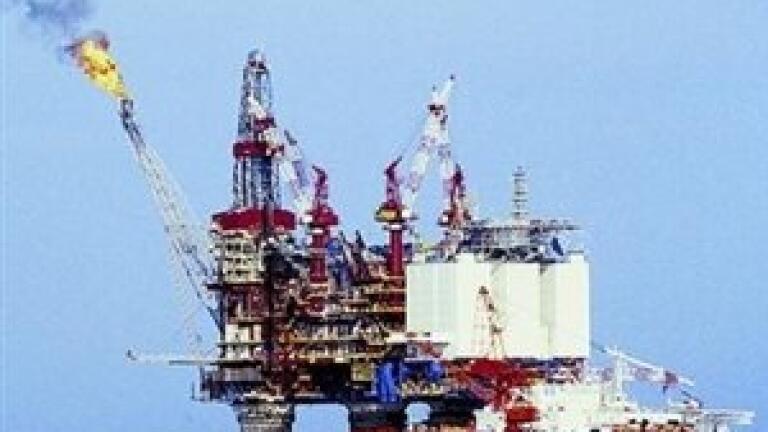
Fuel for thought
Published over 12 years ago. See the latest and most current information on Fuel for thought.
Instead, it remains trapped inside rock, in solid form. Scientists have discovered a way to fracture the rock around it and release this oil.
Oil shale attraction begins in a similar way to crude oil extraction, wherein it is excavated either using surface mining or underground techniques. However, whereas as crude oil is simply pumped to the surface, oil shale remains in solid form and must first be retorted and then refined before it can be used.
Retorting is the name given to the process whereby a chemical change is forced within the shale, brought on by exposure to extreme heat (approximately 343-371º Celsius, or 650-700º Fahrenheit) without the addition of oxygen. When applied to mined rock, this is called pyrolosis, and causes the kerogen (the fossil fuel inside the shale) to turn to liquid and thus become separated from the shale.
This kerogen can then be taken and refined into an artificial crude oil, thus completing the arduous process. Though it adds two extra steps to the traditional process of crude oil extraction, oil shale is becoming increasingly popular due to a number of factors.
Crude oil is not a renewable energy source and as such we only have a finite supply. When this supply will eventually run out is a matter of opinion, though the fact that it certainly will makes it only logical to search for alternatives. This is further accentuated by the rising prices of crude oil, especially in the United States. Indeed, estimates show that the US is avidly pursuing energy from shale and currently produces around three quarters of its national demand from shale oil and gas, meaning it will soon be able to begin exporting the excess and turning a profit. The article Shale Plays Offer Unprecedented Opportunities looks at the exciting new possibilities for sustained growth of the shale industry over the next two decades.
Meanwhile, in Europe, shale energy production is creeping onto the continental consciousness as well. Back in February 2014, the European Commission ruled that it would not place severe restrictions on shale gas and oil extraction, paving the way for its continued growth and for the widespread deployment of fracking on that continent. The implications of the ruling are further discussed in the article Non-Binding Guidelines for UK Shale Gas Exploitation.
PIN 27.4 Aug/Sept 2026



 Product directory


.jpg)






















.jpg)