Fuel analysis
Published over 5 years ago. See the latest and most current information on Fuel analysis.
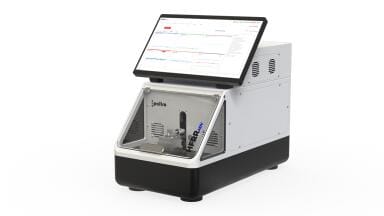
Octane testing is one of the most important assays used to rate fuel. Designed to measure fuel stability, the tests assign a rating based on the maximum amount of pressure that can be applied before spontaneous combustion occurs. Also known as the “engine knock test”, the rating is essentially a combination of the motor octane rating (MOR) and research octane rating (RON). A higher octane number indicates better fuel stability are more resistance to compression, while a lower octane number suggests the fuel will self-ignite at lower temperatures.
Want to know more? Below, we take a look at MOR and RON in more detail and dive a little deeper into the mechanics of octane testing.
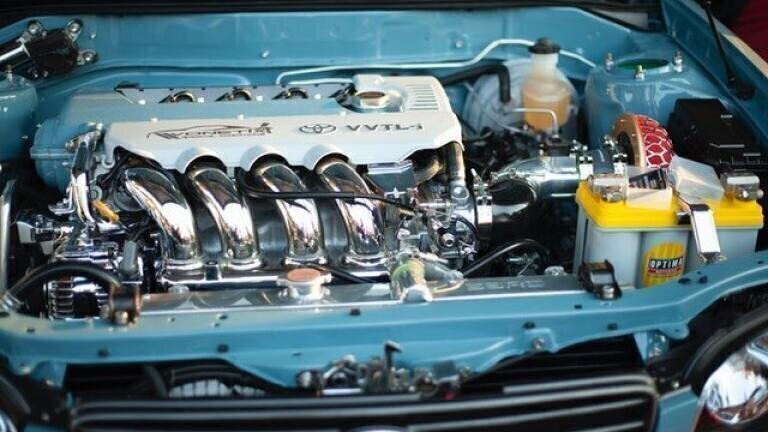
Car engines are commonly associated with octane testing, though this isn’t the only area of interest. Octane tests are also carried out on fuel samples extracted from pipelines, refineries, storage tanks and processing facilities. It’s one of the easiest and most effective ways to find out how resilient a fuel grade is and if it’s performing well in a particular engine.
When filling up at the forecourt, British motorists will see three types of fuel available:
Standardisation does vary between countries, for example in Australia Regular Unleaded fuel is 91 RON.
The Motor Octane Number calculates knock resistance by testing fuel in an engine running at 900 revolutions per minute (rpm). Tests must be run using a standardised engine under controlled conditions. Fuel is preheated to improve accuracy and extra stress is applied through variable ignition timing. Generally, the MON rating is around eight to 12 octane points lower than the RON rating.
Like MON, Research Octane Number is calculated by testing fuel in a standardised engine under controlled conditions. Results are then compared with data from iso-octane and n-heptane mixtures.
Multinational quality assurance provider Intertek is a global leader in octane testing. The company carries out tests in specialised laboratories equipped with Cooperative Fuel Research (CFR) engines.
As explored above, RON and MON are fundamental when it comes to calculating a final octane rating. Writing on behalf of Koehler Instrument Company, authors Dr. Raj Shah, Dr. Vikram Mittal and Mr. Nathan Aragon explore the topic further in ‘Why are RON and MON Important? (Testing for RON/MON using an Octane Engine)’.
PIN 27.4 Aug/Sept 2026





 Product directory