Biodiesel
Published over 13 years ago. See the latest and most current information on Biodiesel.
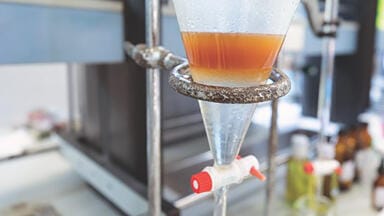
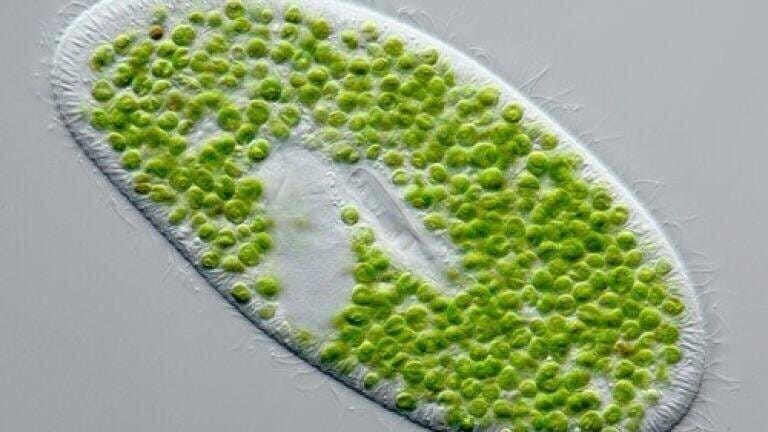
Research performed by scientists at the United Arab Emirates (UAE) University has found that microalgae could be used to create a form of biodiesel. It has been found that oil that can be extracted from microalgae has very similar properties to traditional petroleum diesel.
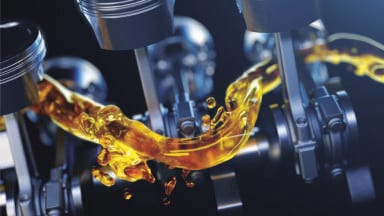
The microalgae oil can be used in diesel engines without the need for any modifications, meaning it is a viable, and possibly cheap, alternative. It is also non-toxic and biodegradable, meaning that it will produce fewer emissions than traditional fuels.
The research by UAE began in 2010 and was started in an attempt to find new usable alternatives for energy sources. The researchers have found that the microalgae have been the most successful product of the research as it can produce large amounts of oil per each unit area. The oil production of the microalgae has been measured as being ten-times that of the best biodiesel crops. It has a similar composition to vegetable oils, which have often been used as a basis for biodiesel alternative fuels.
The microalgae can feed on carbon dioxide as its only carbon source, meaning that its production reduces carbon dioxide in the atmosphere as well as its use cutting down on carbon dioxide emissions. The cultivation of the algae using carbon dioxide will also mean a reduction in the dependency on food substrates.
Doctor Sulaiman Al Zuhair, associate professor at the Chemical Engineering Department at UAEU, said: "The project started with cultivating different species of microalgae to select a suitable strain for biodiesel production. Various parametres were evaluated including oil productivity, CO2 fixation rates and adaptability to harsh conditions, such as high temperature and salinity. In addition, enhancing oil contents of natural microalgae strains was achieved by controlling the growth media. For some strains, the lipid content was increased from just nine per cent to 21 per cent."
PIN 27.4 Aug/Sept 2026



 Product directory


.jpg)