Biofuel composition could, in the future, consist not only of processed feedstock, but also of bugs capable of facilitating the energy-generation procedure.
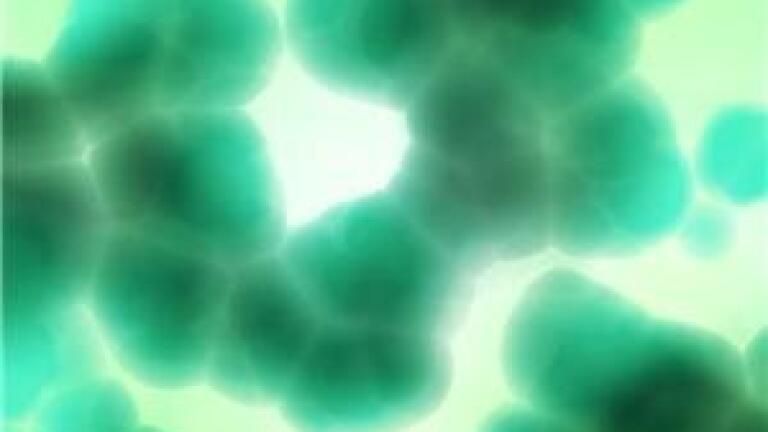
Scientists at Canada's 180-year-old academic institution Concordia University have been looking into how the organism Lactococcus lactis can be used to break down cellulose and turn it into an energy source.
L lactis is the same organism that is used to turn milk into cheese, but could serve a new role in
biofuel composition if the researchers are able to demonstrate its effectiveness.
The key to the process is to alter the scaffolding proteins found on the surface of the bacteria, allowing them to function on breaking down plant matter.
According to professor of biology Vincent Martin, the scaffolding proteins on L lactis are particularly interesting as they appear to be able to bond to more than one compound.
"This is the first study to show how the scaffolding proteins can be secreted and localised to the cell surface of Lactococcus," he says.


 Product directory


.jpg)
















.jpg)