The characteristics of one of North America's most substantial water ecosystems could be impacted upon by the growth of feedstock crops, according to new
biofuel analysis from the United States Geological Survey (USGS).
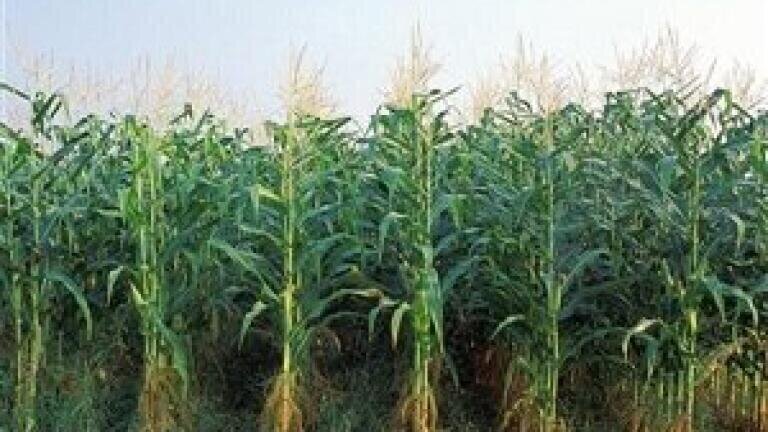
Among the offshoots of switching from growing cotton to raising
corn crops in the Mississippi delta are lower water levels in the permeable surrounding rock and lower oxygen levels in the Gulf of Mexico.
These problems arise because it takes 80 per cent more water to grow feedstock crops used in biofuels than it does to raise cotton to a harvestable level.
Farmers working in the delta are being asked to take the findings of the
biofuel analysis into account when deciding what and where to plant.
USGS hydrologist and study co-author Jeannie Barlow says: "We are seeing a loss of habitat complexity - and lowered water levels have decreased base flow to streams."
The USGS notes that freshwater supplies are important not only to ecosystems in the wild, but also to ensure human societies have an adequate amount of the resource available.



 Product directory


.jpg)






















.jpg)