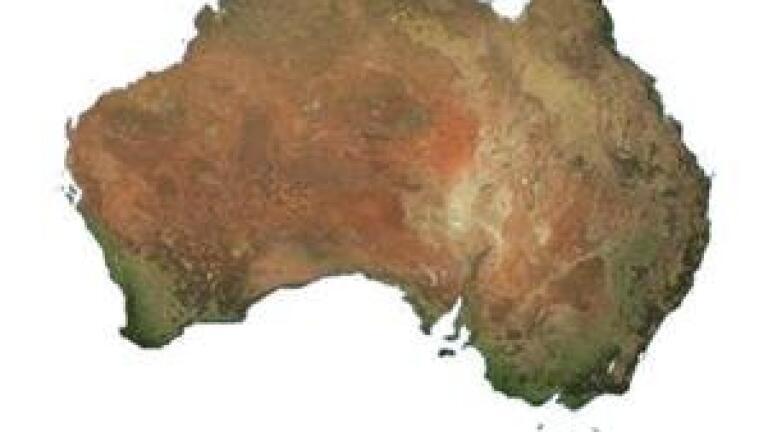
New biofuel analysis has looked at how inhabitants of the southern hemisphere in centuries past used natural resources as a means of producing heat and power.
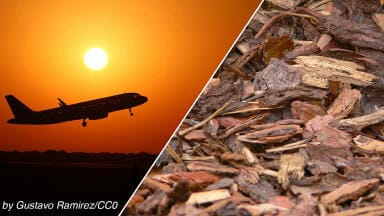
While modern production processes have shifted the focus to next-generation energy sources genetically modified or bred to optimise biofuel composition, in the past peat and wood were used for their energy potential.
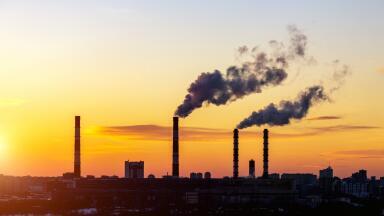
John Mak, a geoscientist at SUNY Stony Brook and lead researcher on the latest biofuel analysis in the southern hemisphere, explains that this has revealed the 20th century was by no means the time when emissions from biomass burning were at their highest in the past 650 years.
"What we find is that the amount of biomass burning has changed significantly over that time period and that biomass burning was in fact a significant source of carbon monoxide during pre-industrial times," he says.
SUNY is the State University of New York, the US's largest public higher education provider with 64 geographically distinct campuses across its academic network.



 Product directory


.jpg)






















.jpg)