Biodiesel
Published over 13 years ago. See the latest and most current information on Biodiesel.
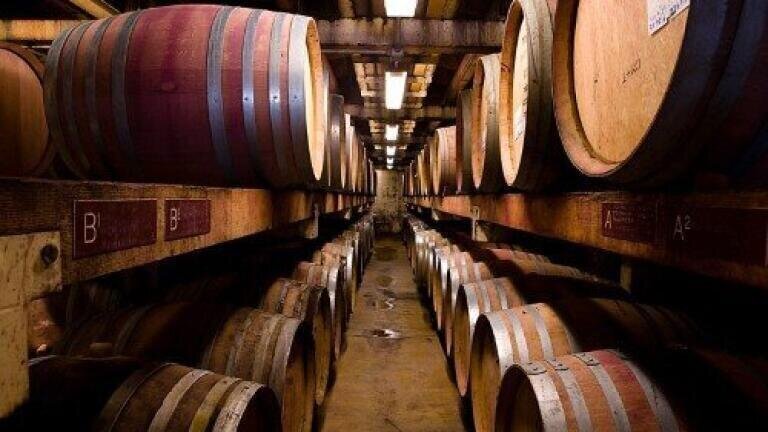
Wine could be the secret ingredient needed to improve biodiesel properties, according to new research. Scientists have found that certain chemical compounds found within many types of wine may help to improve how biodiesel performs.
The SUPREN research group of the Department of Chemical Engineering and the Environment of the Faculty of Engineering in Bilbao (UPV/EHU) is currently working on a way to use these chemical compounds to improve biodiesel. The compounds are called acetals and are found in certain types of wine. They are the substance that gives wines such as port their distinctively sweet smell and when blended with biodiesel provide a better performing fuel.
Ongoing research hopes to find a way to produce these chemical compounds in a cheaper, more efficient way in order to encourage the use of this type of fuel. One way of producing the compounds cheaper than current methods is to produce them by using glycerol, which is a form of alcohol created during biodiesel production. The creation of an industrial process to create the compounds in a more cost effective way could help to improve the quality of commercial biodiesel, whilst also encouraging its use through lower prices.
Acetal has been found to help with issues of contamination, oxidation and energy potential that biodiesel presents. The introduction of these substances into the blending process could help to reduce the negative impacts these problems have. Acetals are created as a natural byproduct of the fermentation process for certain wines and are a reaction to alcohol with aldehyde. They are often considered to signify the quality of a wine due to the fragrance they create.
In terms of biofuel benefits, when the acetals are blended with biodiesel, they have been found to result in more effective combustion. This then improves the performance of the engine and, as a result, produces less emissions by burning cleaner. In order to get the most from the acetals when mixed with a biofuel, around 15 per cent of the biodiesel will need to be acetal. As such, a cheaper production method is required to fully see the benefits of this additive.
PIN 27.4 Aug/Sept 2026


 Product directory


.jpg)





















.jpg)