Biodiesel
Published over 13 years ago. See the latest and most current information on Biodiesel.
More candidates have been found that could be cultivated for use in biodiesel. Cellulosic ethanol and higher energy content fuels could be extracted from rapidly growing trees - such as willows and poplars. Poplars are part of the rosid superfamily - along with fruits like peaches and apples and other plants. This means that poplars share some aspects of their DNA with other members of this superfamily.
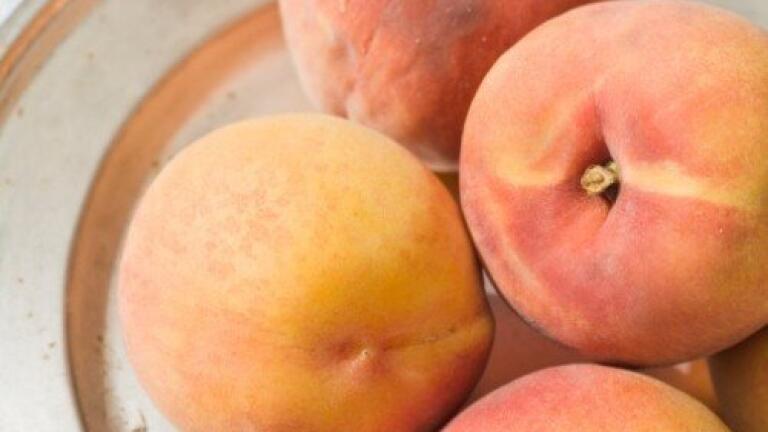
This close relationship means that research into the peach genome can lead to better understanding of poplars - and other plants - that can be used for the production of biofuel. A study performed by Jeremy Schmutz and colleagues, published in Nature Genetics, said: "Using comparative genomics approaches, characterisation of the peach sequence can be exploited not only for the improvement and sustainability of peach and other important tree species, but also to enhance our understanding of the basic biology of trees."
The team compared six fully DNA sequenced diverse plant species to the 141 gene families of the peach in order to unravel metabolic pathways. The pathways they were hoping to learn about included those that lead to lignin biosynthesis. This is the glue that essentially holds all plant cells together and is one of the main barriers when it comes to the deconstruction of biomass in order to create fuels.
Because the peach genome is so large - the Lovell variety of Prunus Persica has a 265 million base genome - it is ideal for use as a plant model for the study of genes found in other, related genomes. This will allow bioenergy researchers to improve the biomass yield of plants that can be used for biodiesel production.
Daniel Rokhsar, DOE JGI Eukaryotic Program head, said: "One gene we're interested in is the so-called 'evergreen' locus in peaches, which extends the growing season. In theory, it could be manipulated in poplar to increase the accumulation of biomass."
PIN 27.4 Aug/Sept 2026


 Product directory


.jpg)



















.jpg)