Biodiesel
Published over 14 years ago. See the latest and most current information on Biodiesel.
BP has put its faith in second-generation biofuels by conducting an experiment at the London 2012 Olympics.
The oil giant has become one of the forerunners in biofuel analysis over the past few years, and their commitment to sustainable energy has been highlighted at this year's Games, where they will put three new biofuels to the test.
BP is the official fuel sponsor of the Olympics, and alongside BMW, they will be making Olympic athletes the unwitting subjects of a biofuel test. Around 100 of the 4000 vehicles in official use this summer will be fuelled with biofuel blends, which will be marketed as another notch in the belt of the sustainability goals devised by the Olympics Committee.
Although biofuel is certainly not the only alternative to 'black gold', it certainly has shown its potential for being the most viable option in recent years. Crop conversion technology has resulted in much more efficient methods of production, which is turning the fuel into a more commercially viable asset.
Scalability and cost have been two chief concerns over the potential of biofuel as a fossil fuel alternative. Maintaining production levels at a price has proved to be the main stumbling block so far, but as America starts to place its reliance on biodiesel and biofuels, you would be forgiven for concluding that the Olympics trial may be the start of a new era in Britain.
Two of BP's three new experimental fuels have a strong link with the UK, in that one can be grown in the country and one is a diesel blend, which would satisfy a large proportion of the market. Having more fuel independence is largely why biofuels have had such a strong uptake in the US, and you can see how the same thing might appeal to British interests.
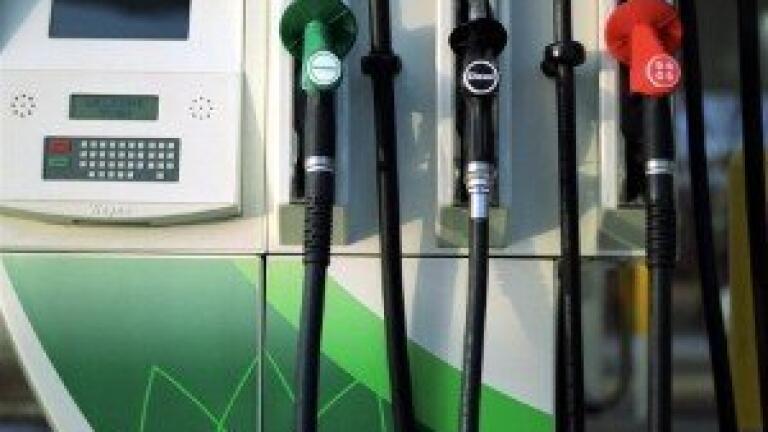
This is a positive change for the UK that may not happen tomorrow, but by 2030 our petrol stations may offer far more than just the three pumps, as biofuel, LPG, hydrogen, batteries, petrol, biodiesel and more start to assert their dominance.
Posted by Claire Manning
PIN 27.4 Aug/Sept 2026


 Product directory


.jpg)
















.jpg)