Analytical instrumentation
Published over 6 years ago. See the latest and most current information on Analytical instrumentation.
New data from the RAC Foundation has found that battery-powered electric cars are driven 26% further than their petrol counterparts during their first three years on the road. The study, which was conducted prior to the sharp drop in road traffic triggered by the COVID-19 pandemic, utilises official MOT data for more than 500,000 British vehicles.
While petrol cars cover an average of 7490 miles per year during their first three years on the road, battery electric cars cover an additional 26%. In total, this adds up to 9435 miles per year. Diesel cars racked up the most miles, clocking an annual average of 12,496 miles during their first three years of ownership.
RAC Foundation Director Steve Gooding says the study proves EVs are more than just a trend and are emerging as a genuine mode of transport for eco-minded Brits. “Unsurprisingly people with diesels have been doing most mileage, probably seeking better long-distance fuel economy, but this study is also evidence that battery-electric powered cars are not just trophy vehicles signalling their owners' green credentials but prior to the lockdown were racking up the miles as everyday transport,” he says.
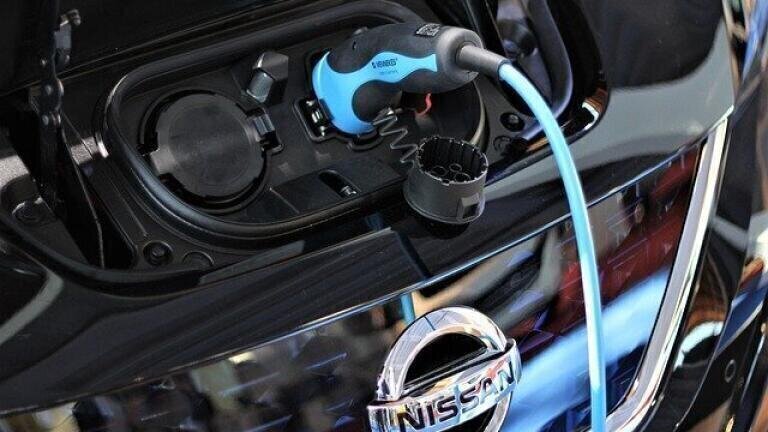
The Mitsubishi Outlander, one of the most popular plug-in hybrids on British roads, clocked up an impressive average annual mileage of 12,500. This is significantly more than the 7490-mile average recorded by petrol cars. The battery electric Tesla Model S boasts a similar number, covering around 12,392 miles a year. The Nissan Leaf was noticeably less used at 8241 miles, with the Renault Zoe covering just over 5700.
“Tens of millions of people still drive petrol and diesel-powered cars, but this data suggests that owners of electric cars have found them to be a practical proposition, running up the sort of big annual mileages that many of us need to do, challenging preconceptions about their range and the ease of re-charging,” adds Gooding.
The advent of electric vehicles is set to have an enormous impact on global air quality. As well as the automotive sector, environmental scientists are attempting to harness the power of plants to generate eco-friendly fuel with storage potential. To find our more don’t miss ‘Artificial photosynthesis may plant the seeds for a more sustainable future’ which spotlights the cutting-edge technology designed to transform solar energy into a potentially limitless source of photosynthetic fuel.
PIN 27.4 Aug/Sept 2026


 Product directory


.jpg)










.jpg)




.jpg)