Safety
Published over 12 years ago. See the latest and most current information on Safety.
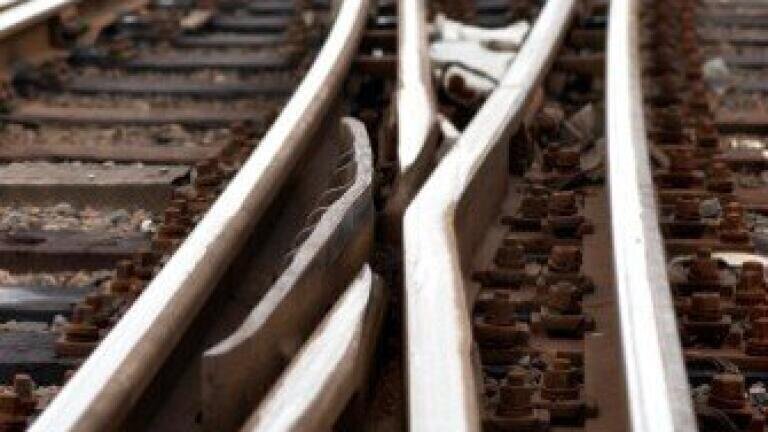
Hundreds of families have been forced to evacuate their homes in the city of Willard, Ohio, US due to chemical leak following a train derailment. The liquid, which is believed to be toxic and flammable, leaked from a railcar that NBC News had previously exposed as being faulty and prone to leaking fluids.
The DOT-111 model, which was involved in the derailment, was found by the news provider to have a design flaw that meant it was likely to split when involved in an accident. This model of train car is often used to transport oil and other chemical goods, which could make any accident much worse.
While some of the families have now been allowed to return to their homes - after spending Thanksgiving at the local high school - those that live closest to the scene of the incident are still unable to go back to their properties.
A total of 245 homes were evacuated after the derailment caused styrene monomer - a liquid used to make rubber and plastic products and that is both toxic and flammable - to leak from the reportedly flawed train car. A total of four cars derailed at the Willard rail yard as they were being switched onto another train. Around 26,000 gallons of the chemical managed to leak from a four inch hole in the car before the leak was sealed, reports NBC.
Air testing was performed after clean-up crews had arrived at the scene and found that only traces of styrene monomer were in the air and that the airborne levels were well below dangerous levels. According to officials, higher levels of the chemical in the air can result in an intoxicated feeling, headaches, dizziness and concentration issues.
The car that caused the leak is of the type that, since 1991, has prompted the National Transportation Safety Board to raise concerns. The design of the DOT-111 also has a thin metal skin as well as being prone to splitting, which could cause simple accidents to become much worse, according to the news provider. The rail industry is able to make voluntary upgrades to the car's safety, but there are no government guidelines.
PIN 27.4 Aug/Sept 2026


 Product directory












.jpg)