Measurement and testing
Published over 8 years ago. See the latest and most current information on Measurement and testing.
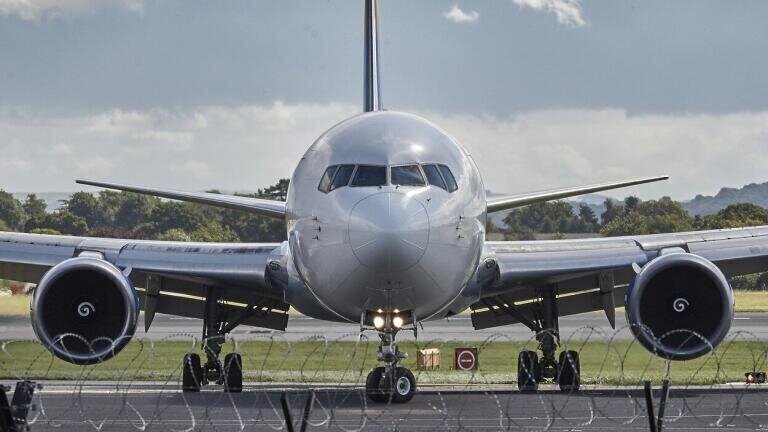
Rising fuel prices always spell trouble for motorists. But how do they affect the aviation industry? According to experts, there's nothing to sweat about. Despite a 30% increase in oil prices Asian based airlines are easily managing to fill over 90% of seats.
This is largely due to a boom in Asian travel which has seen the passenger market steadily expand over the last 12 months. Executives at the biennial Singapore Airshow assert that markets like India, China, Vietnam and Indonesia are experiencing such an influx that rising fuel prices aren't an issue.
With the Asia Pacific region likely to welcome around 3.5 billion passengers to its shores by 2036, airlines have nothing to worry about as far as filling seats goes. Manufacturers will also experience a boom, with Boeing estimating that carriers will need to invest in 16,050 new aircraft valued at a huge US$2.5 trillion by 2036.
Thanks to a new generation of fuel-efficient jets airlines are also armed with a cushion. Both Airbus SE and Boeing Co. have introduced new models that offer exceptional fuel efficiency and as a result, higher profit margins. This is playing a key role in helping airlines not just cope, but thrive in the wake of rising crude oil prices. European based low-cost giant Ryanair Holdings Plc admits that Boeing’s 737 Max is a gamechanger and will usher in a new era of low fares.
Over the past six months Brent, the global benchmark, has soared by 30% to hit its highest level in three years. Producers are continuing production cuts in a bid to combat the market glut, which could help pull Brent above $100 a barrel by 2019. According to Amber Dubey, New Delhi-based head of aerospace and defence practice at KPMG, airlines can easily survive in a market of up to US$80.
“Given other non-fuel fixed expenses, anything up to $80 is comfortable. Beyond $80, we may see some inefficient airlines being bought out by healthier ones, but that’s a natural process," she explains.
Despite high demand airlines are doing everything they can to harness economic and fuel production benefits. For example, the International Air Transport Association (IATA) recently asked the Coordinating Research Council (CRC) to investigate the possibility of replacing existing freezing point methods. Find out more in 'Is Measuring Jet Fuel Viscosity More Accurate Than Freezing Point?
PIN 27.5 Oct/Nov 26


 Product directory


.jpg)









.jpg)








.jpg)