
Hydrogen fuel
Published over 4 years ago. See the latest and most current information on Hydrogen fuel.
Despite being light, energy-dense and readily available, hydrogen has yet to establish itself as a widely used fuel source. It has enormous potential, though a handful of factors have limited uptake around the world. So, why don't we use hydrogen as a fuel? Below, we take a closer look at some of the key challenges faced by hydrogen and how they’re being addressed.
When combined with oxygen to generate electricity, hydrogen emits water and heat as its only by-products. This gives it incredible potential as a sustainable and climate-friendly fuel. However, when upstream processes are factored in the environmental credentials of hydrogen as a fuel source plummet.
Currently, most hydrogen is produced using coal or natural gas as feedstocks. Both emit harmful by-products into the atmosphere, including carbon dioxide. So, while hydrogen itself is eco-friendly the processes used to isolate the chemical element have a significant environmental footprint.
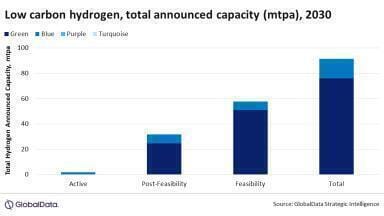
To address the environmental concerns associated with hydrogen production, governments and industries around the world have been exploring “green” technology. Unlike hydrogen produced using coal and natural gas, green hydrogen is created using electrolysis. The process splits water molecules and separates hydrogen (H) from oxygen (O). When powered by solar and wind power, electrolysis is a clean and sustainable process with zero greenhouse gas emissions.
However, the technology is relatively new and difficult to scale up to meet global demand for energy. That said, an increasing number of countries are channelling cash into green hydrogen projects with goals to slash CO2 emissions and improve energy independence.
The need for onboard hydrogen fuel tanks has created safety concerns and limited the uptake of hydrogen fuel cell electric vehicles (FCEVs). Auto manufacturers like Toyota have been quick to rebuke these concerns, maintaining that FCEVs are just as safe as their petrol and diesel-powered counterparts. The company’s latest hydrogen-powered model, the Toyota Mirai, has been rigorously tested to offer motorists rock-solid safety credentials.
“Toyota has spent many years testing hydrogen-powered cars in extreme conditions and temperatures to ensure they can be used safely and reliably, just like any other Toyota,” reads the website. “For instance, the Toyota Mirai’s multi-layer hydrogen tanks are so strong they can even repel a bullet shot from close range. Now that’s true peace of mind.”
Hydrogen has huge potential, and many experts predict it will emerge as the fuel of the future. Find out more about the chemical element, including different uses and applications, in ‘Everything You Need to Know About Hydrogen Fuel’.
PIN 27.4 Aug/Sept 2026


 Product directory























.jpg)