Fuel for thought
Published over 7 years ago. See the latest and most current information on Fuel for thought.
From heating hoes to powering vehicles, liquified petroleum gas (LPG) is one of the most versatile non-renewable sources of energy on the market. Its name references both "liquid" and "gas" which can be somewhat confusing, when determining its structure. So, which is correct?
Technically, the answer is both. The resource is extracted from crude oil and natural gas, which is referenced in its name. At normal ambient temperatures and atmospheric pressure LPG exists as a gas, though it can be liquified when exposed to lower temperatures of when exposed to moderate pressure. Generally, converting gas into liquid occurs during the natural gas processing and oil refining stages. This adaptability means LPG can be easily condensed, transported and stored, making it an attractive and versatile energy source.
As LPG is produced during the processing and refining stages of oil and gas, it's technically classed as a by-product. It's usually collected when lighter compounds are dissolved in crude oil and distil to form gas, as well as when heavy hydrocarbons are "cracked" to create smaller, more useful fuels.
Hydrocarbons containing three or four carbon atoms are the main composition of LPG, with normal components being propane (C3H8) and butane (C4H10). Depending on where the LPG was sourced and how it was produced, small concentrations of other hydrocarbons could also be present.
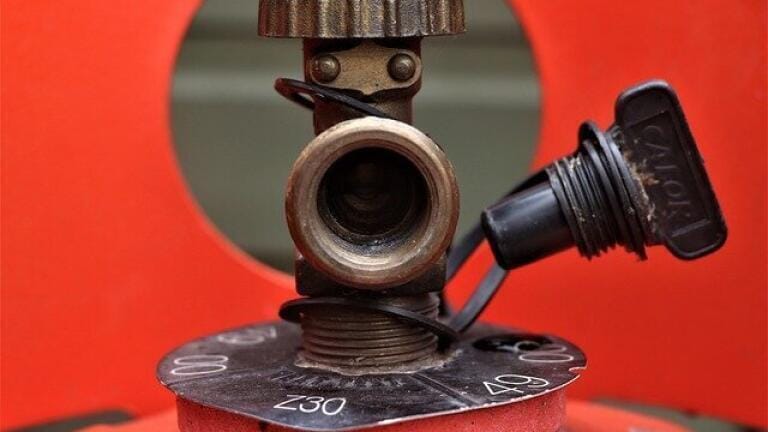
In most situations, LPG is pressurised and stored in liquid form in steel tanks, containers and cylinders. Depending on the use, containers can range from small BBQ tanks used in everyday households to large commercial tanks. The level of pressure applied depends on the type of LPG being stored, generally commercial propane or butane, as well as the external temperature.
The concept of liquified petroleum gas was first introduced in 1912 by American scientist, Dr. Walter Snelling. He discovered that it was possible to convert gases into liquids and store them under moderate pressure. His findings led to the invention of the first LPG cook stove in 1912 and a LPG -fuelled automobile in 1913. By 1920 LPG was being sold commercially.
Research into LPG didn't end with Dr. Walter Snelling, with experts such as Mr Karl Robertson, Dr Michael Hahn and Dr Dorit Wilke pioneering new breakthroughs. Introducing the latest coulometric Karl Fischer titration, 'A new analytical procedure for water content in LPG' explains how the new ASTM procedure allows scientists to test ppm water in the laboratory and directly at the sample point.
PIN 27.4 Aug/Sept 2026



 Product directory


.jpg)