A yeast-based conversion process for cellulosic biomass has the potential to enhance
biofuel composition by removing some of the inefficiencies associated with the production of the energy source.
For instance, xylose - one of the main forms of plant sugar converted into ethanol in the biofuel production process - has historically proved to be very difficult to break down.
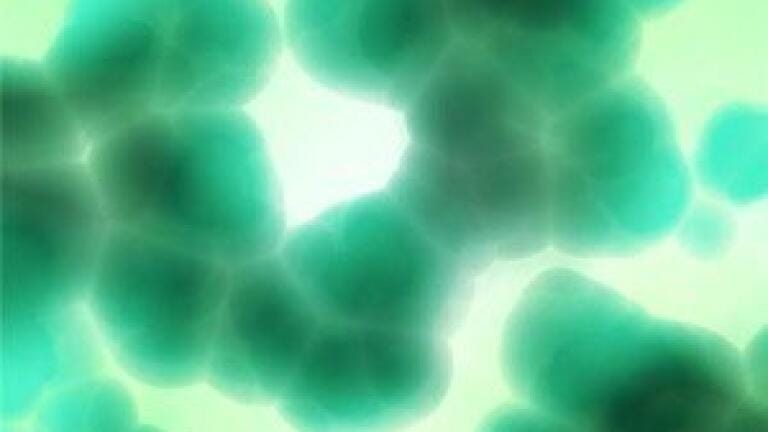
Now scientists at the University of Illinois at Urbana-Champaign have devised a way to break down both xylose and glucose much more quickly than was previously possible.
Their newly engineered yeast works on combinations of the two sugars as quickly as on the equivalent quantities of each sugar on its own, allowing optimal
biofuel composition to be created much more easily.
Yong-Su Jin, professor of food science and human nutrition at the university, says this is a departure from the usual sequential nature of processing which sees glucose converted first.
"It's like giving meat and broccoli to my kids; they usually eat the meat first and the broccoli later," he says.
The scientist earned his PhD from the University of Wisconsin-Madison in 2002.


 Product directory


.jpg)



















.jpg)