Studies of the waterflea Daphnia pulex could have positive effects on
biofuel composition, as the tiny species often invades open-air algae tanks, it is suggested.
Michael Pfrender of the University of Notre Dame has co-authored a report from the US Department of Energy Joint Genome Institute.
This reports on the potential applications of Daphnia pulex in environmental monitoring, acting as a kind of "mineshaft canary" to highlight unwanted chemicals in water.
Some eight per cent of published papers in aquatic research relate to the organism, according to the Institute, with the ability to detect contaminants the main thread of its own report.
However, the species - which has had its 200-million-base genome sequenced in full by geneticists - could also help improve
biofuel composition.
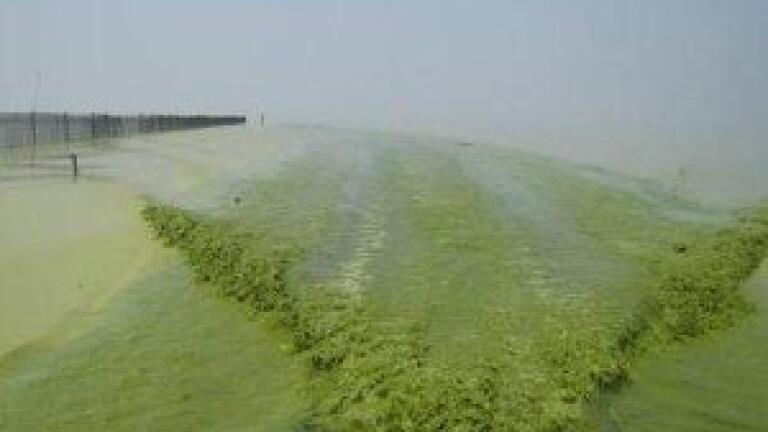
In particular, the waterflea has been known to settle in algae tanks intended for commercial production of clean fuels.
"You're faced with either learning how to control Daphnia, or learning how to use it to harvest the hydrocarbons," Dr Pfrender says.



 Product directory


.jpg)

















.jpg)