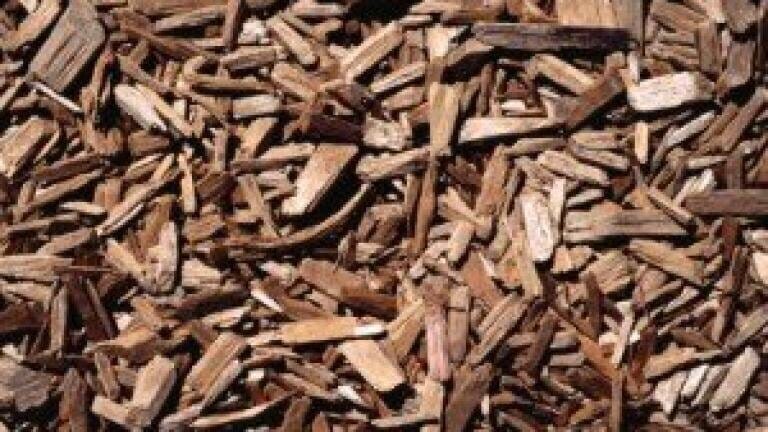
Biofuel testing carried out by researchers from the University of British Columbia indicates the physical structure of the biomass used has a significant impact on the success rate of saccharification.
The scientists imposed strict limits on their
biofuel testing, requiring 70 per cent or more glucan conversion within 72 hours to deem saccharification as being "efficient".
Biomass sources including softwood and hardwood, along with agricultural residues, were examined to determine which converted most successfully using cellulase and beta-glucosidase enzymes.
The residues, with their unstructured form, performed well with lower protein loadings, while the woody sources measured as having relatively inaccessible cellulosic components required larger amounts of protein.
In their conclusion, the researchers write: "These results suggest that the rate-limiting step during hydrolysis is not the catalytic cleavage of the cellulose chains per se, but rather the limited accessibility of the enzymes to the cellulose chains."
Their findings are published in Biotechnology for Biofuels, which reports
biofuel analysis ranging from fermentation and bioconversion, through pre-treatment and deconstruction of plant matter, to the development of plants specifically for fuel production.


 Product directory


.jpg)














.jpg)