Analytical instrumentation
Published over 8 years ago. See the latest and most current information on Analytical instrumentation.
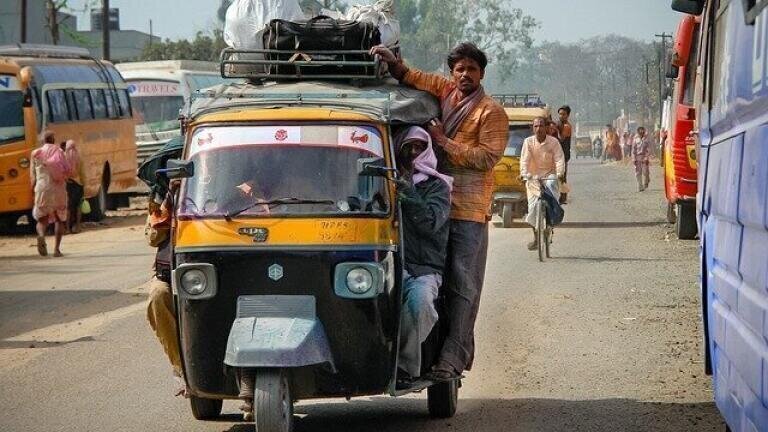
With mean PM2.5 levels that are 12 times the WHO standard, Delhi has some of the dirtiest air on the planet. The Indian capital isn't alone, with a host of other towns and cities burdened by dirty air. So what's causing the pollution?
While Indian roads are choked with around 70 million cars, experts are warning that India's rising air quality problem is caused by a highly toxic fuel that most countries have banned. It's a national crisis, with air pollution causing around eight deaths a day in Delhi alone.
The lung-choking smog hangs heavy over the city, and while authorities have been attempting to cleanse the air by cutting traffic and decommissioning coal power plants, the problem still lingers.
Now, experts are pointing to petroleum coke as the newest culprit. Also known as petcoke, the fuel is sourced from Canadian tar sands pits. It's then refined in the US Gulf Coast, where lighter and valuable fractions like petrol and diesel are extracted.
The by-product is petcoke, which is illegal to burn in the US and most other Westernised countries. The dark solid is composed mostly or carbon and produces more sulfur dioxide and heavy-metal emissions than coal. Not to mention 11% more greenhouse gas emissions.
Unlike the US, India doesn't enforce the ban which allows refineries to freely export petcoke. The country is now the world's biggest importer, with annual demand for the fuel almost doubling over the past four years to over 27 million tonnes. Unsurprisingly, much of the fuel ends up in Delhi.
In a bid to combat air pollution India’s top court has now banned the use of petroleum coke in and around New Delhi. It's also ordered the city to introduce strict emission guidelines by the end of December, with environmental activist Sunita Narain praising the court for its efforts.
“It is a big win for clean air,” she says.
Of course, there are knock on effects to consider, with the ban set to hit India's small and medium scale industries. Jobs will be lost, with economists also warning that cement prices could spike.
With a petcoke ban on the horizon US oil refineries could be forced to reassess their margins. For an in-depth look how the "total cost of ownership" concept applies to refineries don't miss 'Total Cost of Analysis in Petroleum Labs.' Going beyond equipment itself, the article explores various factors that directly influence both expenses and profits.
PIN 27.4 Aug/Sept 2026



 Product directory


.jpg)






.jpg)



.jpg)