Analytical instrumentation
Published over 9 years ago. See the latest and most current information on Analytical instrumentation.
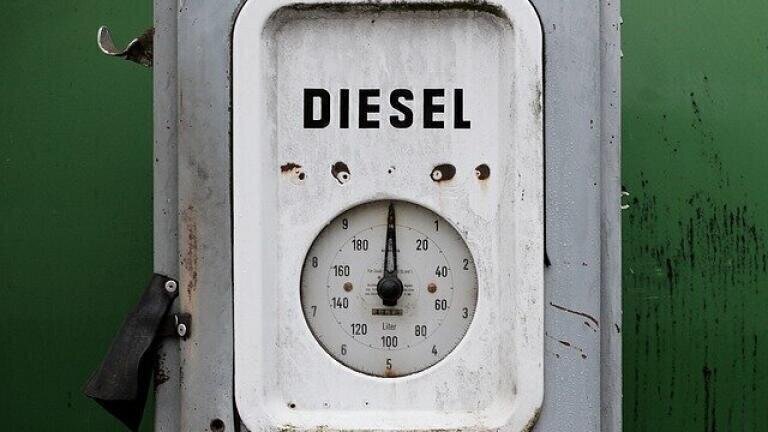
No doubt about it, diesel harbors a dirty reputation. And despite the efforts of auto giants like Land Rover and Suzuki, tests show that even the latest diesel models remain highly polluting.
Stricter emissions rules are just months away from being launched, but according to independent testing firm Emissions Analytics, Britain’s newest diesel models are dirtier than ever. The new Land Rover Discovery was one of the worst offenders, with independent tests finding that its 2017 diesel model was able to meet the EU standard for toxic nitrogen oxides (NOx) pollution in real-world driving. The Nissan Qashqai is another rulebreaker, emitting up to 18 times the official limit.
Published by testing firm Emissions Analytics, the updated Equa Index revealed that 86% of all diesel models that have been introduced to the British market since the 2015 Volkswagen emissions scandal have failed to meet EU limits. In fact, 15% of models even belch out eight times more NOx than they should.
Every year these toxic fumes are thought to cause around 23,500 early deaths, which has forced a cross-party committee of MPs to label it a public health emergency.
Nick Molden, CEO of Emissions Analytics maintains that failure to comply undermines the government’s efforts to clean up Britain’s air, commenting, “These high-emitting vehicles will leave a long legacy and a dilemma for the proposed clean air zones: how can you change on the basis of Euro standards if there is such a wild divergence in performance?”
Overall, the index reveals that 70% of diesel vehicles launched in 2016 and 2017 emit at least double the official NOx limit. While they can pass laboratory-based NOx emissions tests, Emissions Analytics maintains that all vehicles emit far more NOx in real world driving scenarios. Volkswagen was the first manufacturer to get caught out, with Molden warning that others could be next in line.
Campaign group Transport & Environment was quick to slam the corruption, with representative Julia Poliscanova saying, “Only three months from the new rules and almost two years after Dieselgate exposed widespread cheating on diesel emissions, regulators continue to approve vehicles that are up to 12 times more polluting than the legal limit. This demonstrates the corrupt system where the purse of carmakers rules over public health.”
While biodiesel is gaining momentum as a cleaner alternative to fossil fuels, it doesn’t lend itself to every sector. With a high freezing point and poor oxidative stability, biodiesel isn’t safe for use in aviation fuel. For a closer look at how its presence is monitored, ‘IP-585 – Determination of fatty acid methyl esters (FAME) from bio-diesel in aviation turbine fuel’ spotlights the latest GC/MS selective ion monitoring/scan detection method developed by the Energy Institute.
PIN 27.4 Aug/Sept 2026




 Product directory


.jpg)










.jpg)




.jpg)