_small.jpg)
Sulphur analysis
Published over 4 years ago. See the latest and most current information on Sulphur analysis.
During the production process of pure Biodiesel (B100/ FAME), triglyceride molecules are converted (transesterification) to a new end product: Fatty Acid Methyl Esters (FAME). The feed basis for this process comes from several Biobased sources like; used cooking oils, animal fat, vegetable oil, or algae. The process itself is quite complex and the composition of the end products can vary a lot, due to the diversity of the feed source and the differences in production processes.
Analyses of FAME/B100 and B6 to B20 Biodiesels (blends of FAME with conventional Diesel) are a well-discussed topic nowadays. Many additives used in the process may disturb the analysis of Total sulfur and in certain cases, it is hard to identify which components are causing disturbances in analytical applications.
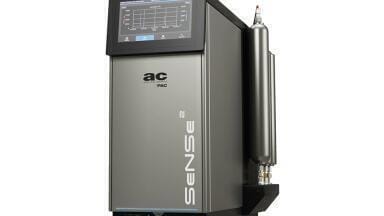
For the analysis of Total Sulfur in B100 and B6-B20, the ASTM D5453 method is one of the reference test methods, as mentioned in the standard ASTM D6751 and ASTM D7467. This norm makes use of an analyzer where sample material is injected into a boat, or directly into a liquid inlet. Both introduction methods have their own way of guiding sample material into the analyzer to a hotspot, where the final combustion takes place. When the sample material reaches the high-temperature combustion spot, sulfur is oxidized to sulfur dioxide (SO2). Following up, the formed SO2 is analyzed by a UV-F SO2 sensitive detector.
When a sample is introduced into a combustion analyzer, the combustion magic takes place in a quartz furnace tube. This quartz tube, however, is sensitive to additives and/ or contaminants which might be present in biodiesel products. High levels of Cations (used for acidification/ neutralization in the process) might attack the Quartz material. On the other hand, high levels of Glycerol/ Glycerin, which are not properly separated during the production process, might adhere to the quartz material and produce carry-over effects or suppress the SO2 levels which in turn, result in incorrect results and disturbances in check-standard levels.
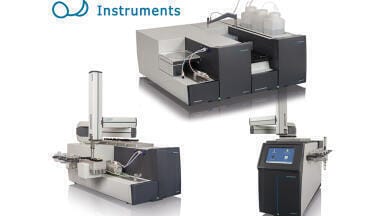
As a workaround, TE Instruments is working on developing a special combustion tube with a ceramic insert in the furnace combustion tube, combined with a ceramic boat and ceramic sample cup. This solution has already proven its usefulness in several C-IC applications, where sample matrices tend to contain a lot of salts. By using the ceramic inlay, the quartz tube gets excellent protection against cations/ salts or other additives which tend to react with quartz glass.
Preliminary tests show promising results for the combined ceramic solution applied at a standard Xplorer TN/TS combination with boat drive. A test sample known to be full of Glycerin based contaminations and salts was tested on the ceramic solution and the results look promising! Later this year, TEI will publish a full application report with all the findings and conclusions, so keep tuned in for more information later this year.
PIN 27.4 Aug/Sept 2026


 Product directory















.jpg)





.jpg)
.jpg)