Fuel for thought
Published over 3 years ago. See the latest and most current information on Fuel for thought.
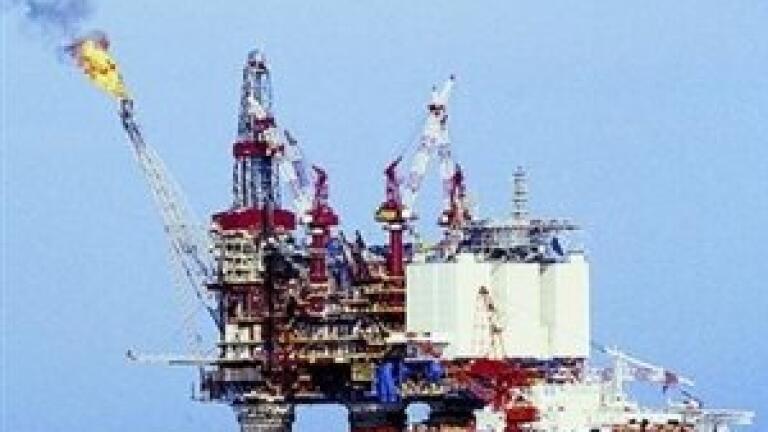
According to the International Association of Drilling Contractors (IADC), offshore platforms are being relocated from the North Sea and other European regions to explore opportunities globally in a blow to the United Kingdom’s oil and gas sector.
The North Sea fields have played an integral role in the United Kingdom’s energy system since the late 1960s. The first commercial oil field in the UK North Sea was the Argyll field, which started production in 1975. Over the next few decades, as more oil and gas fields were discovered and developed, Britain became a major player in the international energy market and the North Sea became one of the largest oil-producing regions in the world, reaching a peak around 1999. Although production has been steadily declining now for a number of years, the North Sea continues to be an important source of energy for the UK, providing jobs, revenue and energy security for the country.
In the past year, however, over 30 jack-up rigs have already moved from Asia, the Americas, and Europe to the Middle East. The IADC North Sea chapter is calling for better cooperation between the UK and Scottish governments, the offshore industry and drilling contractors to secure a transition to clean energy, with Regional Director Stuart Clow stating that: “The North Sea continues to be a significant source of the UK’s energy supply, and drilling contractors are ready to work with operators and government to ensure that supply is not interrupted.” The IADC stresses the importance of a long-term outlook to transition to clean energy, secure regional energy security, and preserve jobs across the UK, recognizing that recently announced drilling opportunities alone will not meet the UK's energy demand, according to North Sea Chairman Darren Sutherland, who states that: “The recently announced projects represent a fraction of what is truly needed to meet growing UK energy demands.”
The IADC acknowledged that the oil and gas industry must change its operations, but it's a process that is likely to take decades to achieve and will require cooperation from all areas of the industry, including drilling contractors, claims Clow. “Encouraging business, responsibly developing all forms of energy and supporting the offshore supply chain in the North Sea are of the utmost importance,” the Regional Director said. Chairman Sutherland is even more emphatic: “The transition to cleaner energy has to be done safely, sensibly and securely in terms of the national economy, national energy supply and protection of jobs across the UK.” Difficult times ahead, then, for the North Sea.
PIN 27.4 Aug/Sept 2026



 Product directory


.jpg)