
Flow level pressure
Published over 7 years ago. See the latest and most current information on Flow level pressure.
With trade tensions mounting between China and the Unites States, experts warn there could be major changes on the horizon for the global oil market. Specifically, Beijing's response to America's latest trade tariffs that affect everything from food to electronics. Analysts also reference new US sanctions that ban economic relationships with Iran, including trade in oil. In-between reacting to US-imposed tariffs and complying with new sanctions against Iran, the Chinese response could reshape international energy markets.
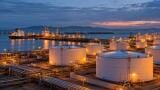
Currently China is the world's biggest oil importer, purchasing around 9 million barrels a day. Over the past decade Chinese oil imports have soared, a trend that's largely fuelled by its rapidly growing domestic air travel sector and the 300 million registered petrol and diesel cars on Chinese roads. The country's appetite for natural gas is also growing, with the country consuming 28.70 Bcm in January 2019.
While countries such as China and India were initially exempt from trade sanctions with Iran, the US has started to withdraw the concessions and force the major economic powerhouses to comply. This American assertion of power will force Beijing to act, with experts predicting the aftermath could disrupt global energy markets. With almost half of the country's oil imports are sourced from the Middle East, trade sanctions against Iran could have a major impact on China's oil supply and as a result, it's national economy.
In the long term, China’s economic dependence on US actions could force the country to maximise exports and adopt a mercantilist approach to energy trade. This could see Beijing push for an open trading system to secure oil and gas or opt for bilateral deals via state-to-state bartering. Ideally, this would see China ramp up direct investment in oil and gas projects and focus on increasing ownership of resources. For the international oil market, this could mean an influx of Chinese multinational companies equipped with the spending power to find and produce oil around the world.
With the stability of global oil markets under threat, maximising efficiency is now front of mind for producers. For a closer look at the latest technologies being used to heighten productivity don’t miss 'Multipoint Thermal Mass Flow Meter Optimizes Refinery’s Boiler Air-To-Fuel Mixture Ratio For Higher Operating Efficiency' which spotlights a refinery located on the Gulf Coast of the US.
PIN 27.4 Aug/Sept 2026


 Product directory


.jpg)














.jpg)